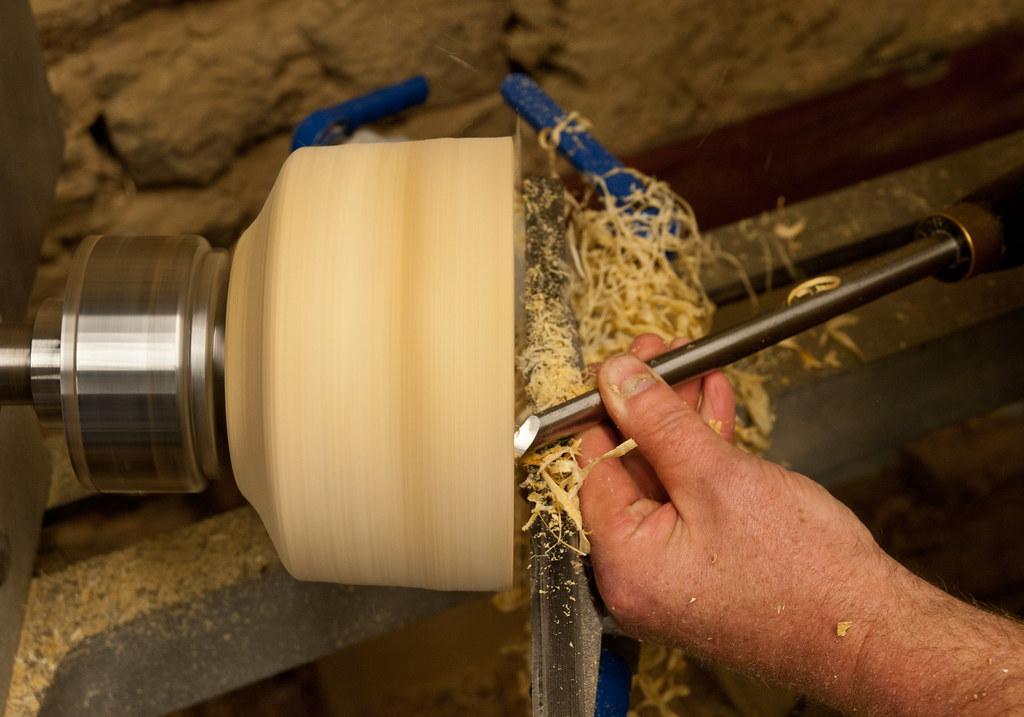
WEN 3424T vs Jet JWL-1221VS: Budget vs Variable Speed
WEN 3424T versus Jet JWL-1221VS compared: $369 fixed belt speeds versus $990 continuous variable speed, with spec table and verdict by turner type.
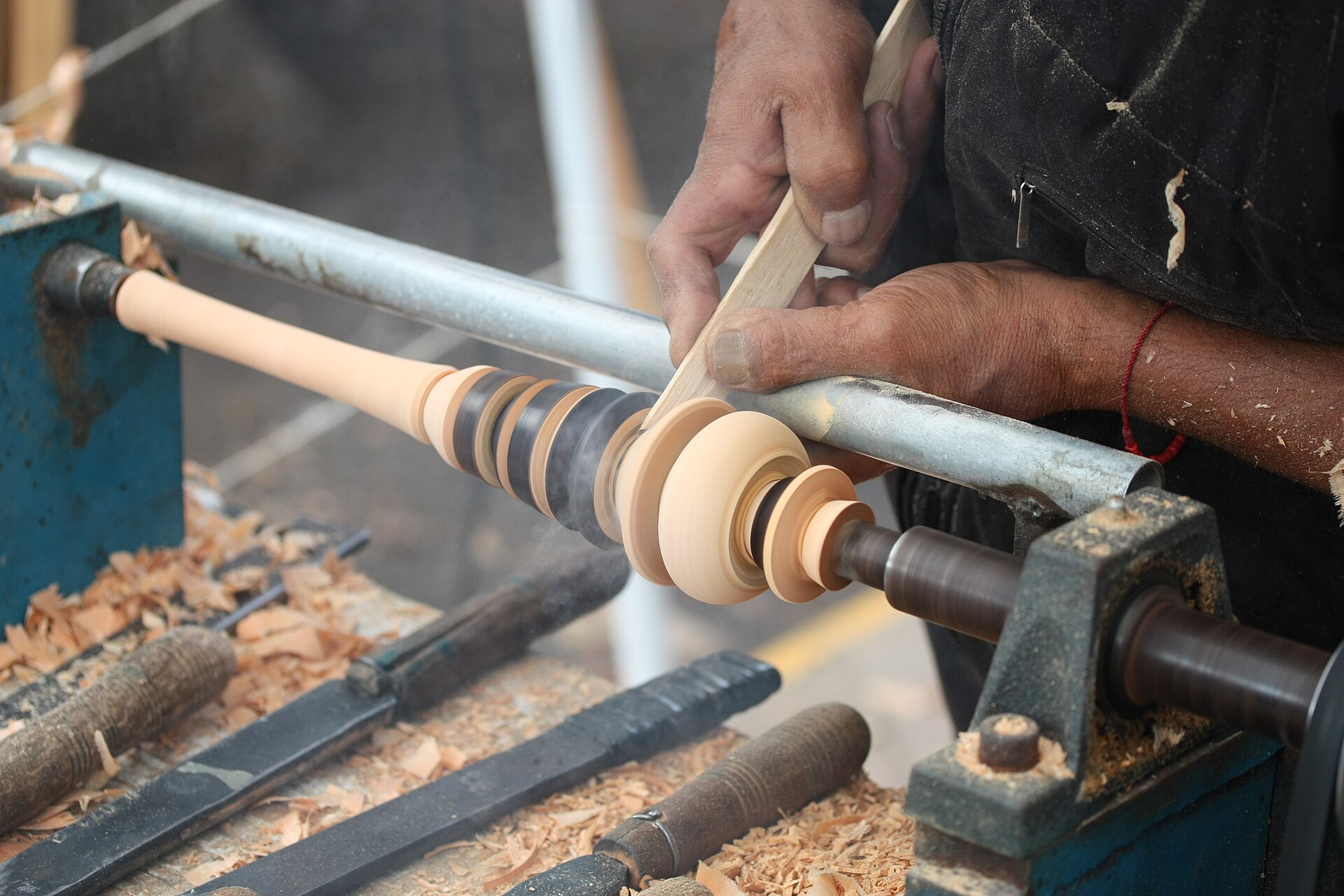
The Wen 3424T is $369 with five fixed belt speeds and 70 lbs. The Jet JWL-1221VS is roughly $990 with continuous electronic variable speed and 121 lbs of cast iron. Both swing 12 inches and use the same 1-inch-by-8-TPI chuck on 115 volts. The $621 difference buys variable speed and substantially more mass.
These two machines represent two genuine points on the beginner-to-intermediate spectrum. The WEN is the entry price. The Jet is the first upgrade most turners plan for once they know they want to continue the hobby. Which to buy depends on whether variable speed is a convenience or a requirement for how you plan to turn.
Spec table
| Spec | WEN 3424T / LA3424 | Jet JWL-1221VS |
|---|---|---|
| Motor | 4.5A, 120V | 1 HP DC, 115V, 6A |
| Speed type | 5 fixed belt-drive steps | Electronic variable, 3 belt ranges |
| Speed range | 520, 900, 1,400, 2,150, 3,400 RPM | 60-900 / 110-1,800 / 220-3,600 RPM |
| Swing over bed | 12 inches | 12-1/2 inches |
| Distance between centers | 18 inches | 20-1/2 inches |
| Spindle thread | 1 in x 8 TPI | 1 in x 8 TPI |
| Weight | 70.3 lbs | 121.25 lbs |
| Warranty | 2 years | 5 years |
| Street price | $369 | ~$990 |
Sources: WEN LA3424 product page (wenproducts.com) and JET Tools JWL-1221VS product page (jettools.com), verified June 2026. Note: WEN renamed the 3424T to LA3424; specifications are identical.
A Nova G3 chuck with a 1-inch insert threads onto either machine directly. The chuck transfers without adapters if you move from the WEN to the Jet.
What variable speed actually means in practice
The Jet’s variable speed system allows speed adjustment without stopping the lathe. That sounds minor until you’re roughing a large, off-balance blank.
When you mount a fresh bowl blank at 10 or 12 inches, it is rarely perfectly round. Starting at 60 RPM and gradually increasing to the point where vibration is acceptable means dialing up speed a little at a time while the lathe runs. On the WEN, you stop, move the belt to the next preset, restart, check stability, and repeat. On the Jet, you turn a dial.
The low range on the Jet, 60 to 900 RPM, covers a wider span than the WEN’s lowest two speeds (520 and 900 RPM) combined. For a 10-inch bowl blank that needs to start at 80 RPM and work up to 400 RPM as it rounds out, the Jet handles that range in one belt position. The WEN requires stopping between two presets.
The three belt ranges each suit a different job: low (60 to 900 RPM) for roughing large bowls, medium (110 to 1,800 RPM) for general work, and high (220 to 3,600 RPM) for small spindle work and finishing passes. Set the belt range once at the start of a session, then leave it alone and work the dial for everything else.
Where the WEN wins: price and simplicity
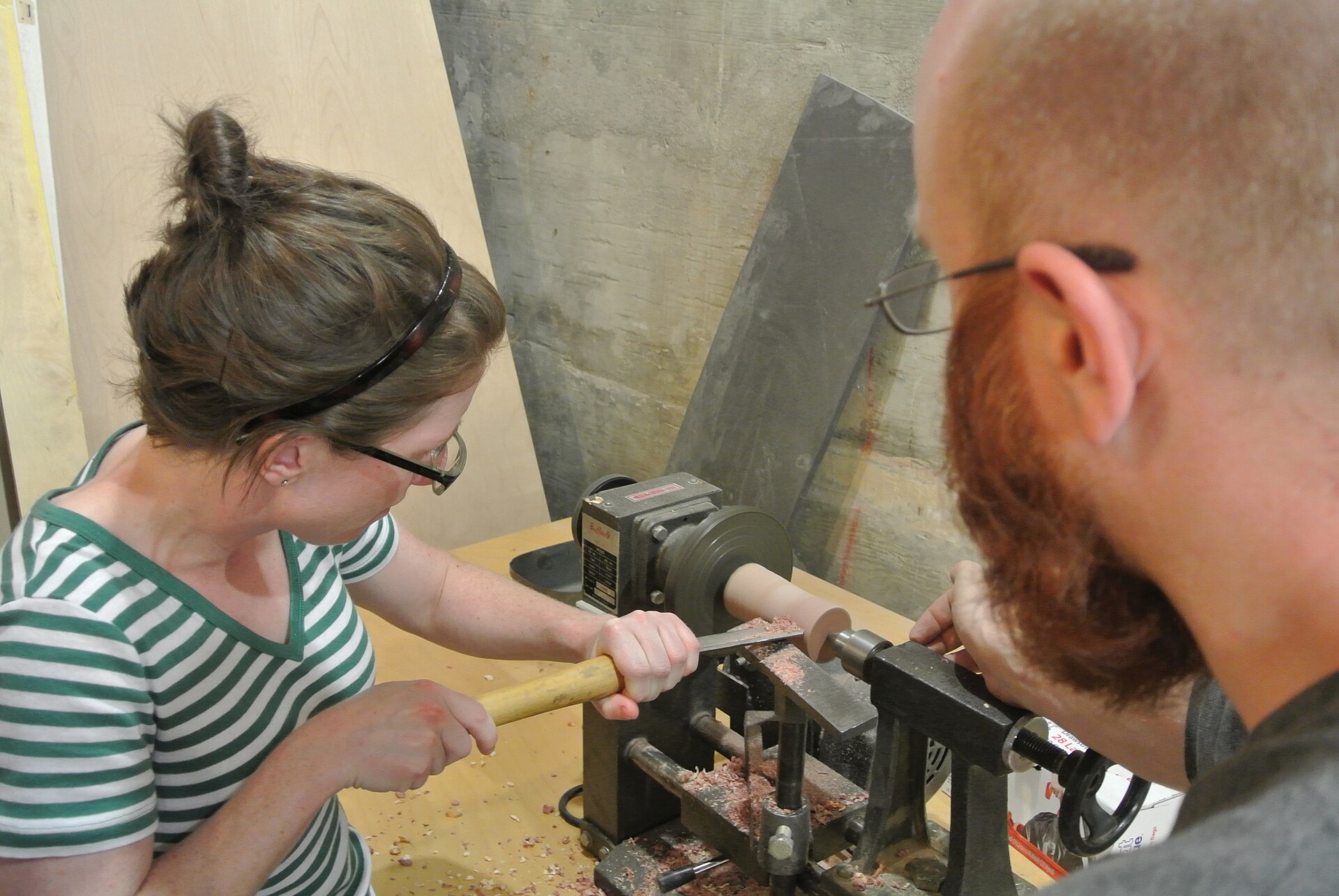
At $369, the WEN 3424T is the lowest barrier to entry for a first lathe that can actually turn bowls and spindle work. It runs on any 115-volt outlet, weighs 70 lbs, and fits on a standard workbench. Moving it or storing it in a small shop presents no logistical problem.

The five fixed speeds cover the common turning situations. 520 RPM is slow enough to rough a 10-inch bowl blank. 3,400 RPM handles pen-blank work and small spindle turning. The gaps between the presets are the limitation, not the range itself.
For a turner testing whether they enjoy the craft before committing $1,000, the WEN is the financially sound choice. The WEN 3424T review covers the machine in full detail.
Chuck compatibility and accessories
Both lathes share the 1-inch-by-8-TPI spindle standard. Chucks, jaw sets, and faceplates made for midi lathes with this thread work on both machines.
One practical point on chuck investment: buy the chuck that will stay with you when you upgrade. A quality Nova G3 chuck costs $160 to $200 and works on every 1-by-8-TPI midi lathe you own. Buying a budget chuck now to save $50 is a false economy if you plan to keep the chuck through an upgrade.
The Jet’s 20-1/2-inch distance between centers (versus the WEN’s 18 inches) provides two more inches for longer spindle work. For pen turning and small spindles, that difference is irrelevant. For a 20-inch table leg, you would be at the WEN’s limit and comfortably inside the Jet’s.
The upgrade path question
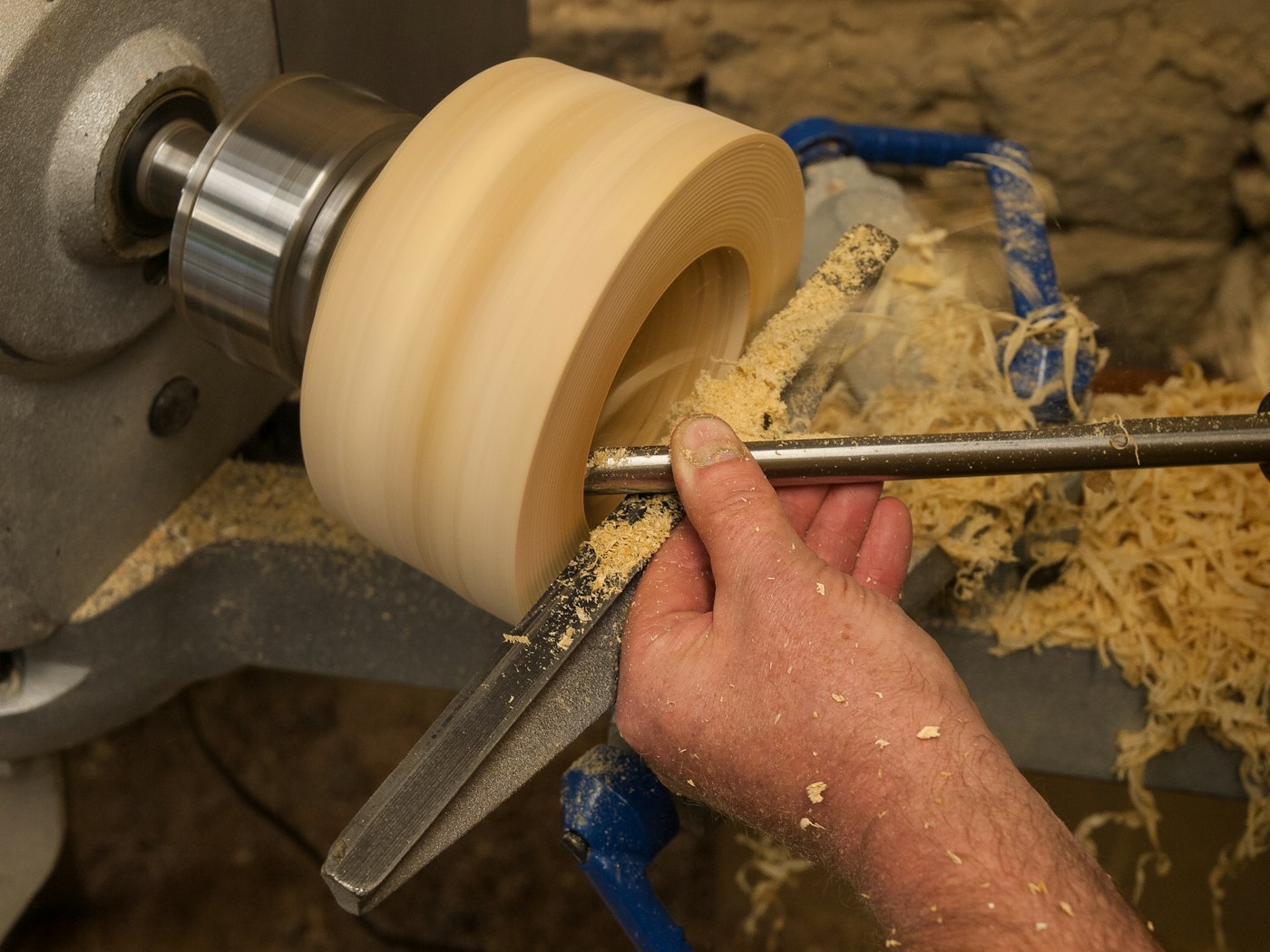
Turners who buy the WEN typically face the upgrade decision within one to three years if they continue the hobby seriously. That upgrade means a different machine, not a modification: the WEN’s belt-and-pulley drive has no path to electronic variable speed, no motor swap or add-on kit turns it into a Jet. If continuous variable speed matters to you from day one, buying the Jet first skips the detour. When the upgrade decision does come, the relevant alternatives in the midi class are the Jet JWL-1221VS ($990), the Rikon 70-220VSR ($800 to $900), and the Laguna Revo 1216.
All three variable-speed midi machines are in the $800 to $1,000 range. The Jet vs. Rikon comparison covers those two specifically. If you are sure you want variable speed and are willing to spend $600 more upfront, buying the Jet first avoids the resale step entirely.
The WEN does not have a meaningful trade-in market. Reselling a used WEN 3424T typically returns $150 to $200. If you spend $369 on the WEN and then $990 on the Jet 18 months later, your effective cost for the Jet was $1,160.
Who should buy which
Buy the WEN 3424T if: you are testing whether you enjoy woodturning before committing $1,000, you turn primarily small work (pens, ornaments, bowls under 8 inches), you need the lowest possible entry cost, or you have no 220V service and want to stay on 115V at the lowest price.
Buy the Jet JWL-1221VS if: you already know you want to turn bowls regularly, variable speed matters for how you work, you want a machine you will keep for five or more years, or you are willing to pay $621 more once rather than $369 now and $990 later.
For a deeper look at each machine, the WEN 3424T review and Jet JWL-1221VS review cover setup, turning experience, and owner feedback in detail. Turners deciding between midi and full-size entirely should read the midi vs. full-size lathe guide. For the first tools to set on the rest after either machine arrives, the first turning tools guide covers the starter kit.