First Turning Tools: What to Buy, What to Skip, and Why
The five woodturning tools new turners need, what each one does, the HSS vs. carbide question answered, and what to hold off buying until you need it.
As an Amazon Associate, Lathesong earns from qualifying purchases, at no extra cost to you.
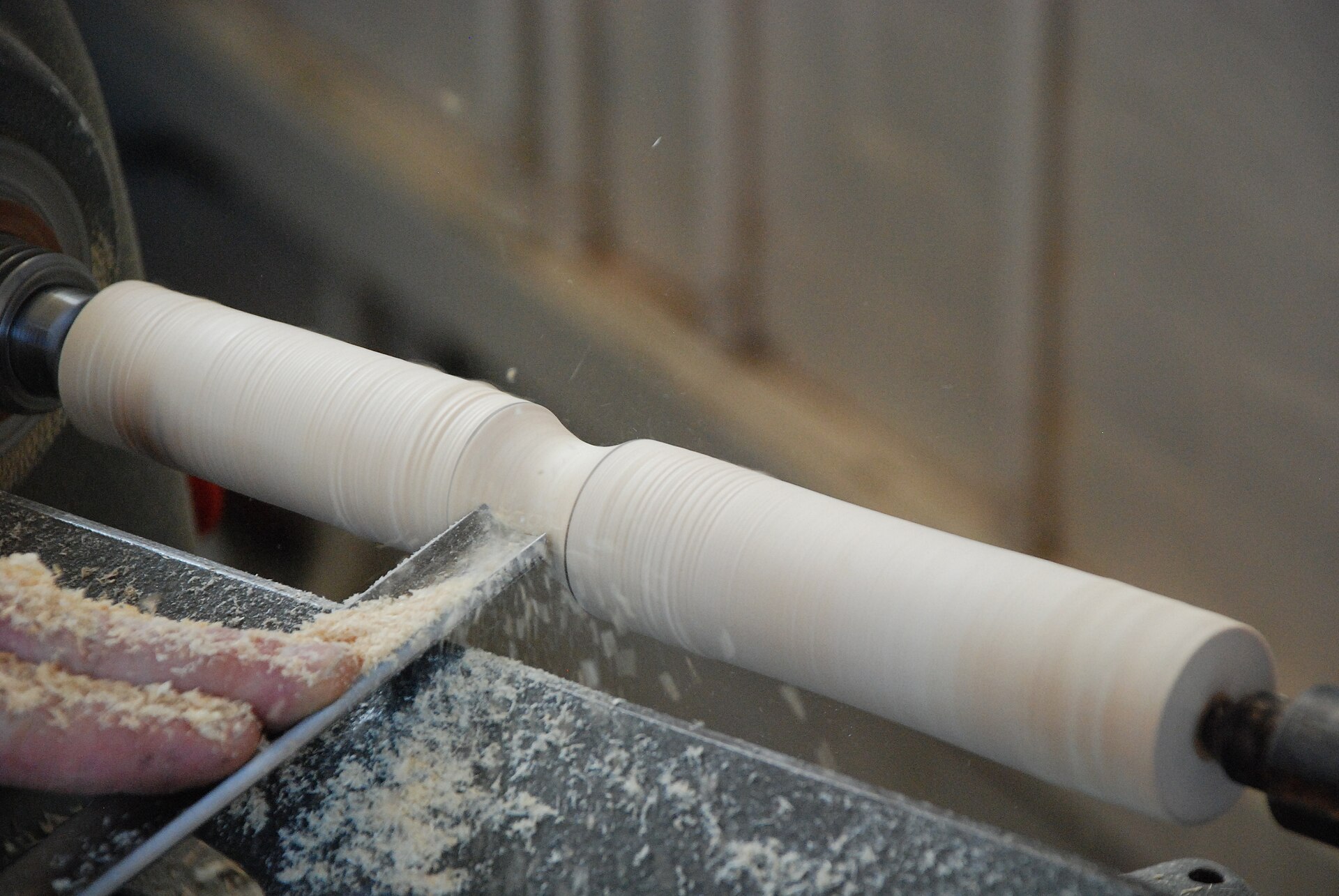
The five tools that cover bowl turning and spindle work are a roughing gouge, a spindle gouge, a bowl gouge, a skew chisel, and a parting tool. For bowl turning specifically, you can start with just a 1/2-inch bowl gouge and a parting tool and cover 90% of beginner work. The skew chisel comes later, after you’ve learned to sharpen the bowl gouge and built some tool control. That’s the honest answer to the “what should I buy first” question.
As an Amazon Associate, Lathesong earns from qualifying purchases, at no extra cost to you.
The five tools and what each one does
Roughing gouge. A wide U-flute tool, usually 3/4 inch or larger. Its job is to bring a square spindle blank to round quickly, cutting end-grain and face-grain simultaneously. It’s a high-removal tool designed for between-centers spindle work: table legs, chair parts, tool handles, balusters. Don’t use it on bowl blanks mounted on a faceplate or chuck. The geometry is wrong for that cut, and the chance of a catch is real.
Spindle gouge. A shallower, more open flute than a bowl gouge. Used for detail work on spindles: beads, coves, V-cuts, the kind of fine surface shaping that makes turned legs look finished rather than just round. The swept-back “fingernail” profile lets you swing the tool through curves without the heel of the bevel dragging. A 3/8-inch spindle gouge handles most hobby spindle work.
Bowl gouge. The workhorse. A deeper, narrower flute with a swept-back wing profile that handles the tough combination of interrupted cuts and changing grain direction you encounter inside a bowl. The 1/2-inch bowl gouge is the size most turners use for the majority of bowl work. A 5/8-inch gouge handles larger, heavier stock; a 3/8-inch gouge is better for detail passes and small forms. If you’re buying one bowl gouge, start with the 1/2-inch. It’ll also handle light spindle work if that’s all you own. The reverse doesn’t hold: a spindle gouge’s shallow, open flute isn’t built for the interrupted cuts and shifting grain inside a bowl, so don’t reach for one when you need to hollow.
The one gouge most turners reach for on the majority of bowl work. Buy from a known turning-tool maker (Henry Taylor, Crown, Thompson) rather than a generic import set.
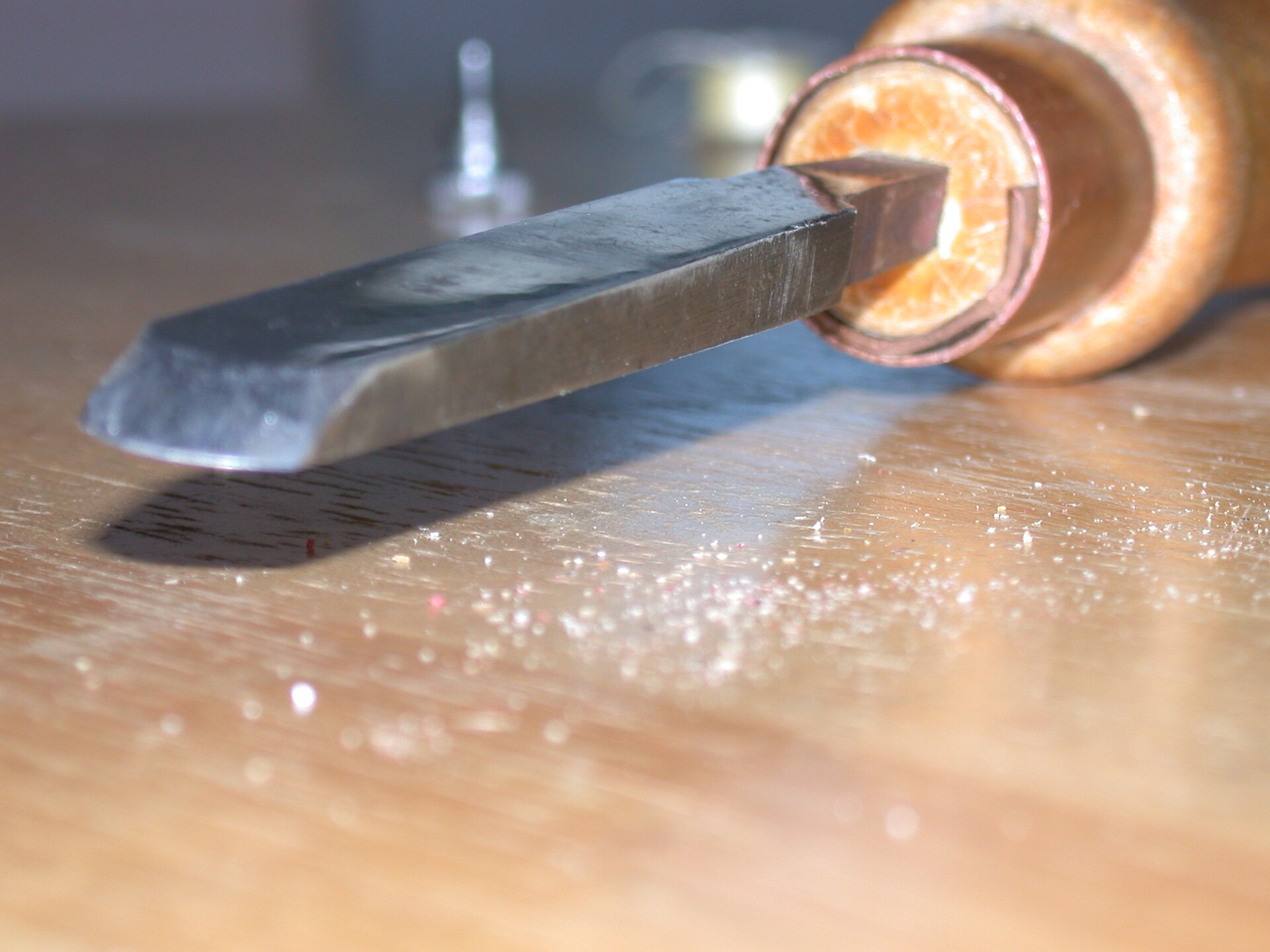
Skew chisel. A flat-beveled tool for smooth, controlled surface cuts on spindles. When it works, it leaves a surface that barely needs sanding. When it catches, it digs hard, and it’s moving fast enough to throw a piece clean off the lathe. The skew requires precise control of bevel angle and presentation. It’s the most rewarding tool to master and the most punishing to learn. Most turners hold off until they’ve got 20 to 30 bowls behind them and their tool control is confident.
Parting tool. A thin, narrow blade for parting a finished spindle off the lathe, sizing tenons for chuck mounting, and making accurate diameter cuts anywhere on the work. Underrated by beginners and used constantly by experienced turners. A 1/8-inch parting tool with a diamond cross-section is a good starting point.
The tool beginners underrate and everyone ends up using constantly. The diamond cross-section clears chips better than a flat parting tool and reduces binding on deeper cuts.
HSS vs carbide: how to decide
This is the question that generates the most discussion in beginner forums, and it doesn’t have one right answer.
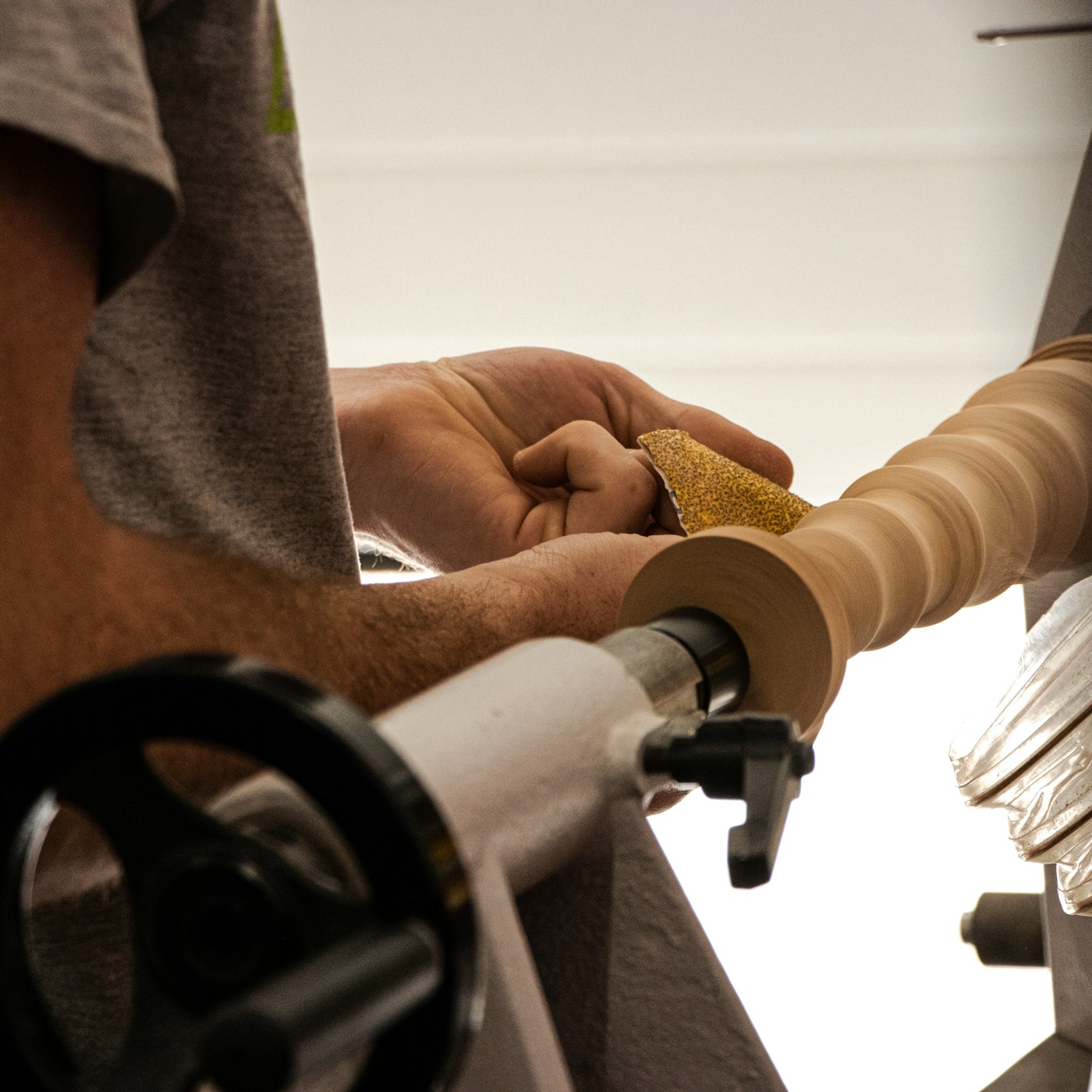
HSS tools are ground from high-speed steel bar stock. Brands like Henry Taylor, Crown, Robert Sorby, and Thompson Lathe Tools make gouges that hold an edge well and sharpen to a razor profile on a bench grinder with the right wheel and jig. The entry price per tool is lower than carbide. The trade-off is that you need a sharpening setup: a slow-speed grinder, a platform jig, and some practice. Dull HSS doesn’t just stop cutting cleanly, it catches. Learning to sharpen is non-optional with HSS tools.
Carbide insert tools have tips made from tungsten carbide, which holds an edge far longer than HSS. When the tip dulls, you rotate it to a fresh edge or replace the insert. No grinder, no jig, no sharpening learning curve. Brands like Easy Wood Tools, Robust (their CI-series), and Hurricane Carbide make tools that get beginners cutting without the sharpening detour. The trade-off is higher entry cost per tool and a different feel: carbide tools are designed to scrape rather than cut with a bevel, which produces more dust and a rougher surface than a sharp HSS gouge on a clean cut.
The practical split most turners end up with: start with carbide if you don’t have a sharpening station and aren’t ready to buy one. Add HSS as your practice develops and you want the higher level of surface quality a sharp gouge provides. The sharpening skill is worth learning, but it doesn’t have to happen on day one.
The sharpening setup guide covers the full grinder, jig, and wheel setup for HSS tools and what that investment actually costs.
What to actually buy first
If your goal is bowl turning:
Buy a 1/2-inch bowl gouge and a parting tool. That’s the minimum viable kit for turning a bowl from a blank to a finished form. The bowl gouge does the roughing, shaping, and hollowing. The parting tool sizes the tenon for the chuck and parts off waste.
Add a roughing gouge only if you’re also turning spindles from square stock. Roughing is fast and satisfying, but if your blanks are already turned round or close to round (as with most bowl blanks), you don’t need it immediately.
If your goal is spindle turning (furniture parts, tool handles, chair legs):
Start with a 3/4-inch roughing gouge and a 3/8-inch spindle gouge, plus the parting tool. This kit covers the heavy removal and the finish shaping for most spindle work. Add a skew chisel after you’ve spent some hours at the rest and your tool presentation is comfortable.
What to hold off on:
- A full five-tool set from day one. Tool sets look economical, but they include tools you won’t need for a year and often compromise on quality across the range. Better to buy fewer, better tools.
- A skew chisel in the first month. Even experienced turners who can use a skew confidently describe the learning process as “a lot of catches.” Build the other skills first.
- Specialty tools (hollowing rigs, negative-rake carbide scrapers, hunter tools) until you know what specific problem they solve for you.
The sharpening dependency
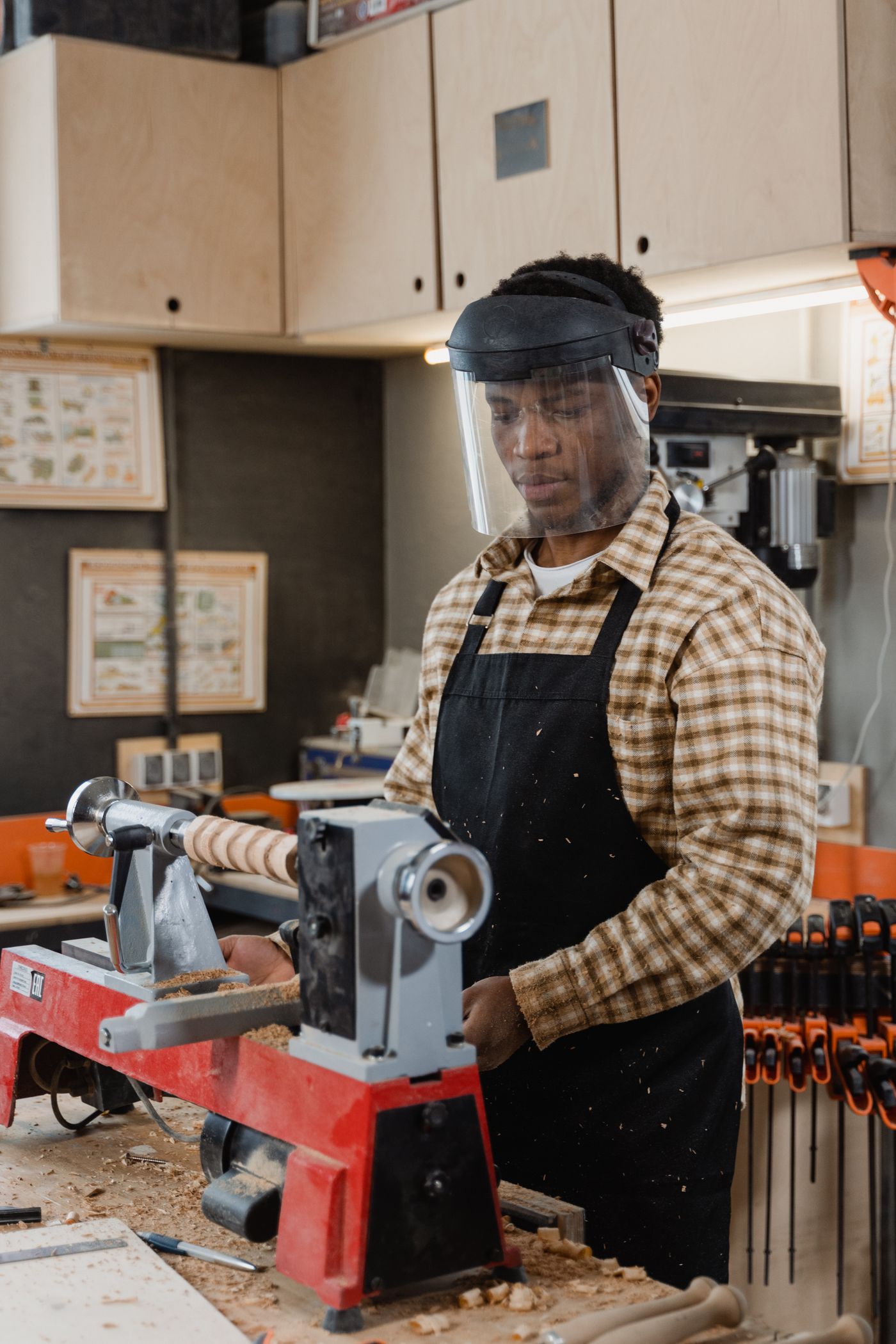
There’s no way to talk about turning tools without landing here: sharp tools work, dull tools catch. This isn’t opinion, it’s physics. A dull bevel can’t ride the wood; it digs and lifts. The result is a catch, which ranges from a startling thump to a piece launched off the lathe.
If you’re buying HSS tools, you need a grinder, a jig, and time to learn the sharpening geometry before you need it in the middle of a turning session. The sharpening setup guide covers the Oneway Wolverine jig, grinder selection, and wheel types in full. Budget for it at the same time you budget for tools.
For the lathe itself, the Jet JWL-1221VS review covers the most common pairing for a new turner’s first machine. For chucks, the Nova G3 chuck review walks through what you need to hold bowl blanks for hollowing once the first outside pass is done.
Good tools don’t have to be expensive. They have to be sharp.