Rikon 70-220VSR Review: Speed, Swing, and Successor
Rikon 70-220VSR review: 250 to 3,850 RPM, 12.5-inch swing, 20-inch capacity, owner experience, and what the discontinuation means for used-market buyers today.
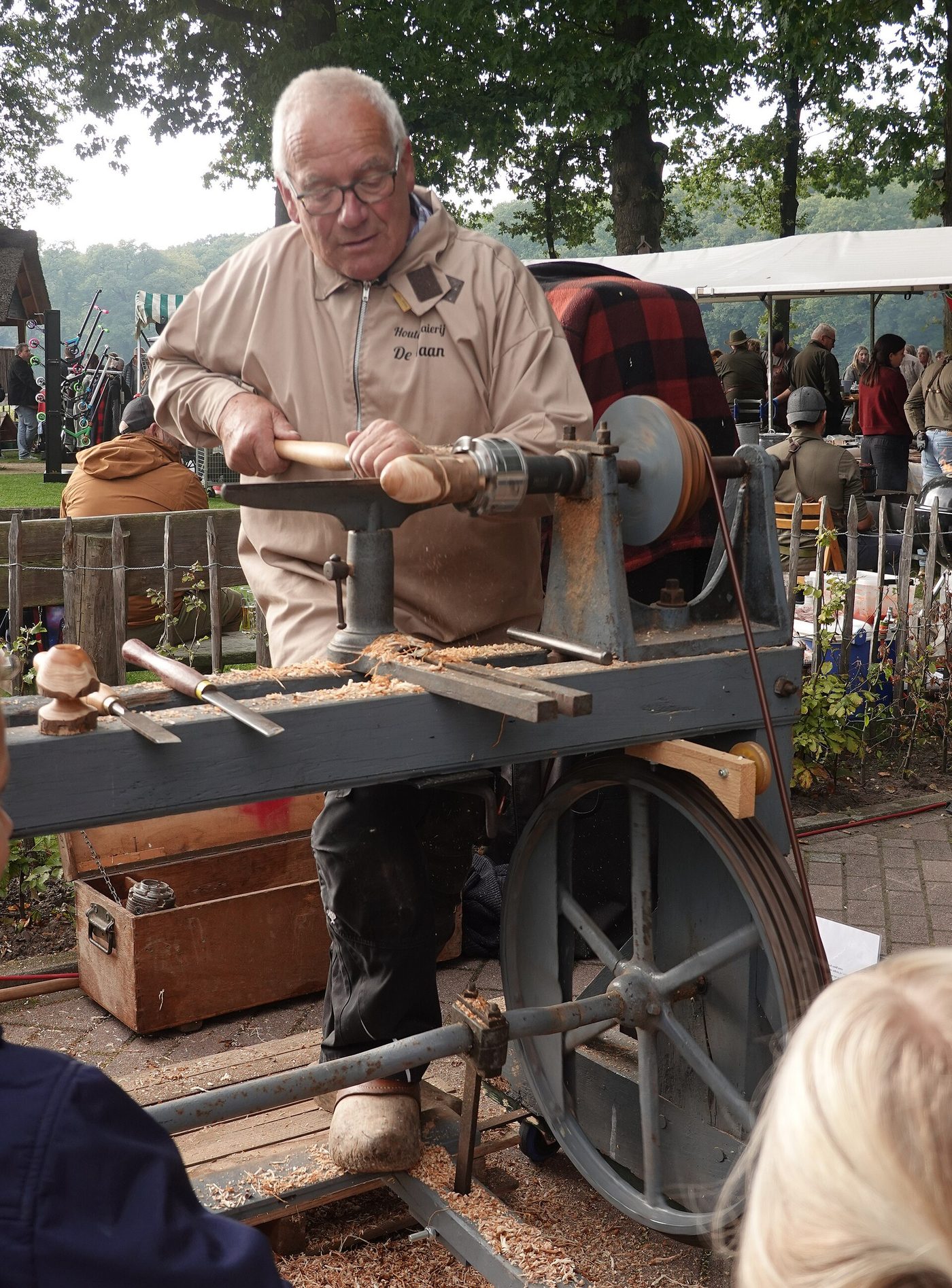
The Rikon 70-220VSR is a 1 HP midi lathe with 12.5-inch swing, 250 to 3,850 RPM, and 20 inches between centers. Rikon has discontinued the model; it’s replaced in their current lineup by the 70-1516VSRK. Used examples sell for $400 to $650 and remain capable hobby lathes for bowl turning, spindle work, and pen turning. If you’re buying new, the 70-1516VSRK is the current answer. If you’re considering a used 70-220VSR, this covers what the machine is and what to look for.
The spec sheet
| Spec | Rikon 70-220VSR |
|---|---|
| Motor | 1 HP |
| Speed range | 250 to 3,850 RPM |
| Swing | 12.5 inches |
| Distance between centers | 20 inches |
| Spindle thread | 1 inch x 8 TPI |
| Headstock taper | MT #2 |
| Tailstock taper | MT #2 |
| Weight | 115 lbs |
| Reverse rotation | Yes |
| Indexing | Yes, 15-degree increments |
Sources: Rikon Tools product archive and community-verified specifications, verified June 2026.
The numbers hold up well against the competition that was current when the 70-220VSR was in production. One horsepower handles most hobby turning: bowls up to about 12 inches in well-seasoned wood, pen turning, bottle stoppers, and full-length tool handles. The 20-inch center distance is close to the Jet JWL-1221VS’s 20-1/4-inch distance between centers, and in practice the two run comparable for the same work. Both spindles use 1-inch by 8 TPI, which matters when you’re buying a chuck: the same thread insert fits either machine.
Variable speed and auto-torque control
The VSR in the model name stands for variable speed reversible. Rikon’s implementation uses a dial-controlled motor with auto-torque control, a system that adjusts motor torque output to maintain set speed when load increases. In practice, this shows up when you’re starting a cut on a freshly roughed bowl that isn’t perfectly round: the lathe holds speed instead of bogging down as the irregular blank comes into contact with the tool.
No belt-step changes are involved in speed selection. The speed is set electronically, and the single range covers the full 250 to 3,850 RPM span from one dial. Belt-drive lathes change speed by moving the belt between pulley steps; the 70-220VSR eliminates that step entirely.
The 250 RPM minimum is genuinely useful. Large unbalanced blanks, wet-wood slabs, natural-edge pieces with voids: you want the lathe moving slowly enough that vibration stays manageable before the blank comes into round. Many machines in this class bottom out at 400 or 500 RPM, which is fine for balanced seasoned wood but not ideal for fresh rough turning. The 70-220VSR’s floor gives you more headroom for difficult stock.
That one range also does double duty by task. Pen turning wants 2,000 to 3,000 RPM for a clean cut on small stock. Bowl turning under 10 inches wants 500 to 1,000 RPM to keep things manageable while the blank finds its balance. Both live inside the 70-220VSR’s single 250 to 3,850 RPM span, so moving from a pen session to a bowl session is a dial turn, not a belt change.
Swing, capacity, and what this actually turns
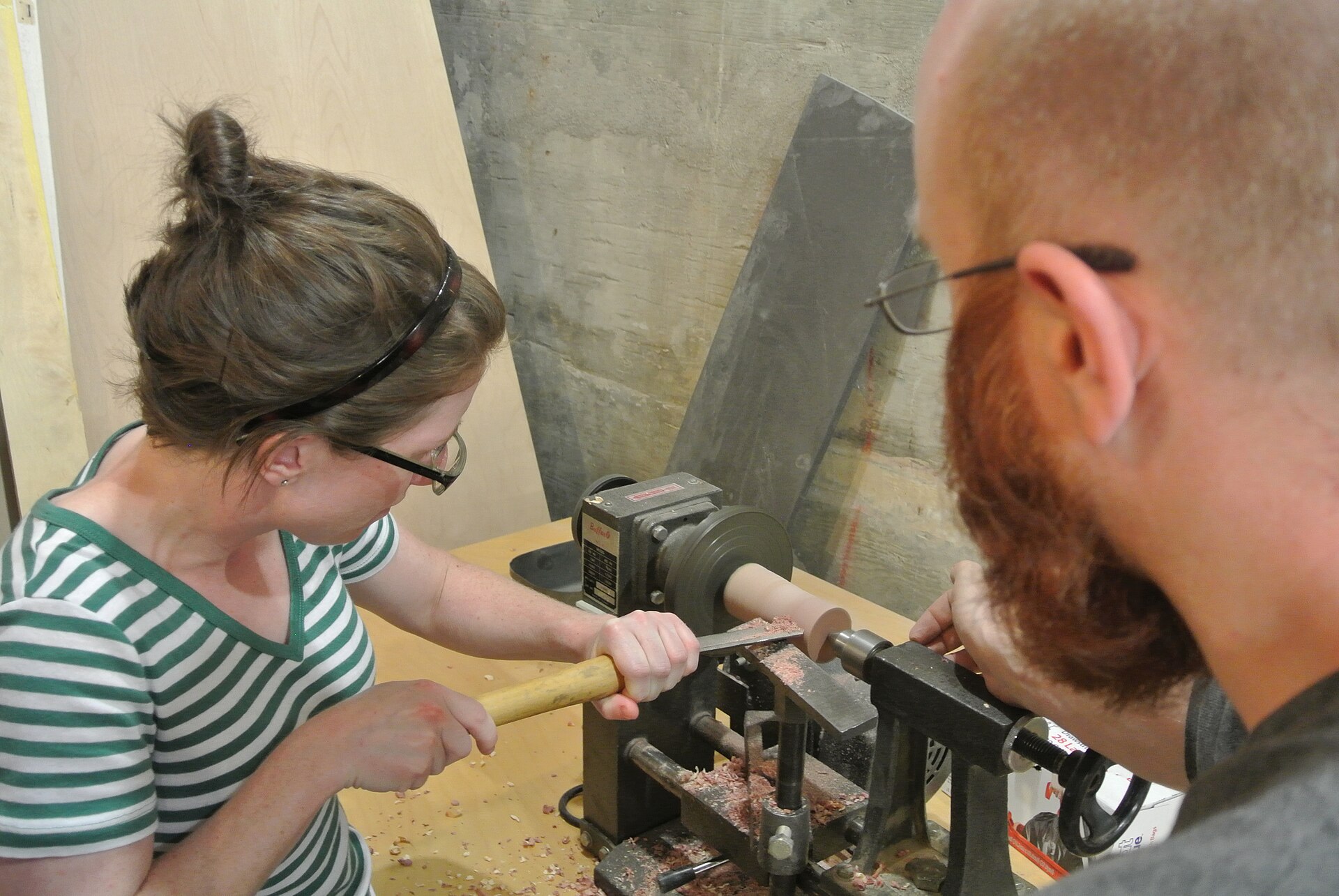
Twelve and a half inches of swing means pieces up to 12.5 inches in diameter. That’s the theoretical maximum. In practice, a 12-inch blank barely clears the bed, and at that diameter any imbalance in the blank generates meaningful vibration. Comfortable recurring work on this machine runs from 4 to 10 inches for most bowl turners.
Pens on a standard mandrel (7 to 8 inches between centers) fit easily with room to spare. The 20-inch center distance handles full-length chair legs and table posts for spindle workers who want more turning length than a mini lathe provides.
Reverse rotation is included. It’s more useful than it looks: you can sand in reverse to cut against the grain and knock down grain whiskers that forward turning raises. It’s also how you power-sand with a drill and foam pad while the lathe runs slowly backward, a technique common in production turning.
Build quality and physical design
At 115 lbs, the 70-220VSR sits solidly on a bench without walking. It’s close in weight to the Jet JWL-1221VS’s 121 lbs, and both machines carry enough mass for the class to keep vibration in check. The cast iron headstock absorbs vibration from unbalanced blanks without transferring it to the bench or rattling the stand.
The 8-inch tool rest is included in the base package. It handles most spindle work and shorter bowls without swapping. Longer pieces need a longer rest; the standard Rikon rest accepts the same post diameter that fits other brands’ rests, so upgrading isn’t a sourcing problem.
The graduated indexing head stops at 24 positions (every 15 degrees). This is sufficient for most decorative work: fluting, drilling equally spaced holes, pierced work at even intervals. It’s a manual stop, not a locking mechanism, so you hold the headstock position and insert the pin manually.
Owner experience
In forum discussions on AAW and LumberJocks, a few consistent themes came up across the 70-220VSR’s production run:
Vibration and mass. The cast iron headstock and 115 lbs of total weight made the machine more stable at lower speeds with rough blanks than lighter competitors. Turners who came from mini lathes noticed the difference immediately.
Speed dial response. The variable speed control was reported as smooth through its range, without the jerky transitions some electronic controllers produce at the low end. The 250 RPM minimum held speed under load without stalling in most normal turning scenarios.
Headstock thread. The 1-inch by 8 TPI spindle thread matched a wide range of chucks and faceplates on the market. The Nova G3 chuck review covers the chuck most owners paired with this lathe, and the thread compatibility is confirmed there.
Noise level. Quieter than comparable machines at the same speed, per community reports, though comparisons are subjective. At high RPM (above 2,500) the motor sound was described as consistent rather than variable, which owners generally read as a sign of a well-wound motor.
Common issues. Tailstock quill slop was mentioned in longer threads, more common in units used heavily over years. Some owners noted finding more play in the quill than expected after extended use. This is a normal wear pattern on any machine; check quill travel and lock engagement carefully when evaluating a used unit.
Current status: discontinued, replaced by the 70-1516VSRK
As of June 2026, the Rikon 70-220VSR is not listed in Rikon’s active product category. Their lathe category shows current models only; the 70-220VSR sits on a legacy parts archive with 112 associated parts in inventory. This is a discontinued-but-supported status: Rikon will supply parts for existing machines, but the model is no longer manufactured or sold new.
The replacement model is the Rikon 70-1516VSRK. Key differences:
| Spec | 70-220VSR (discontinued) | 70-1516VSRK (current) |
|---|---|---|
| Motor | 1 HP brushed | 1.25 HP DC brushless |
| Speed range | 250 to 3,850 RPM (single range) | 250 to 3,200 RPM (three ranges) |
| Swing | 12.5 inches | 12 inches |
| Distance between centers | 20 inches | 16.5 inches |
| Weight | 115 lbs | 99 lbs |
| Included accessories | Tool rest | Nova Z3 chuck + tool rest |
| Warranty | 5 years | 5 years |
Spindle thread on both models: 1-inch by 8 TPI. Chucks and faceplates thread directly between them without adapter inserts.
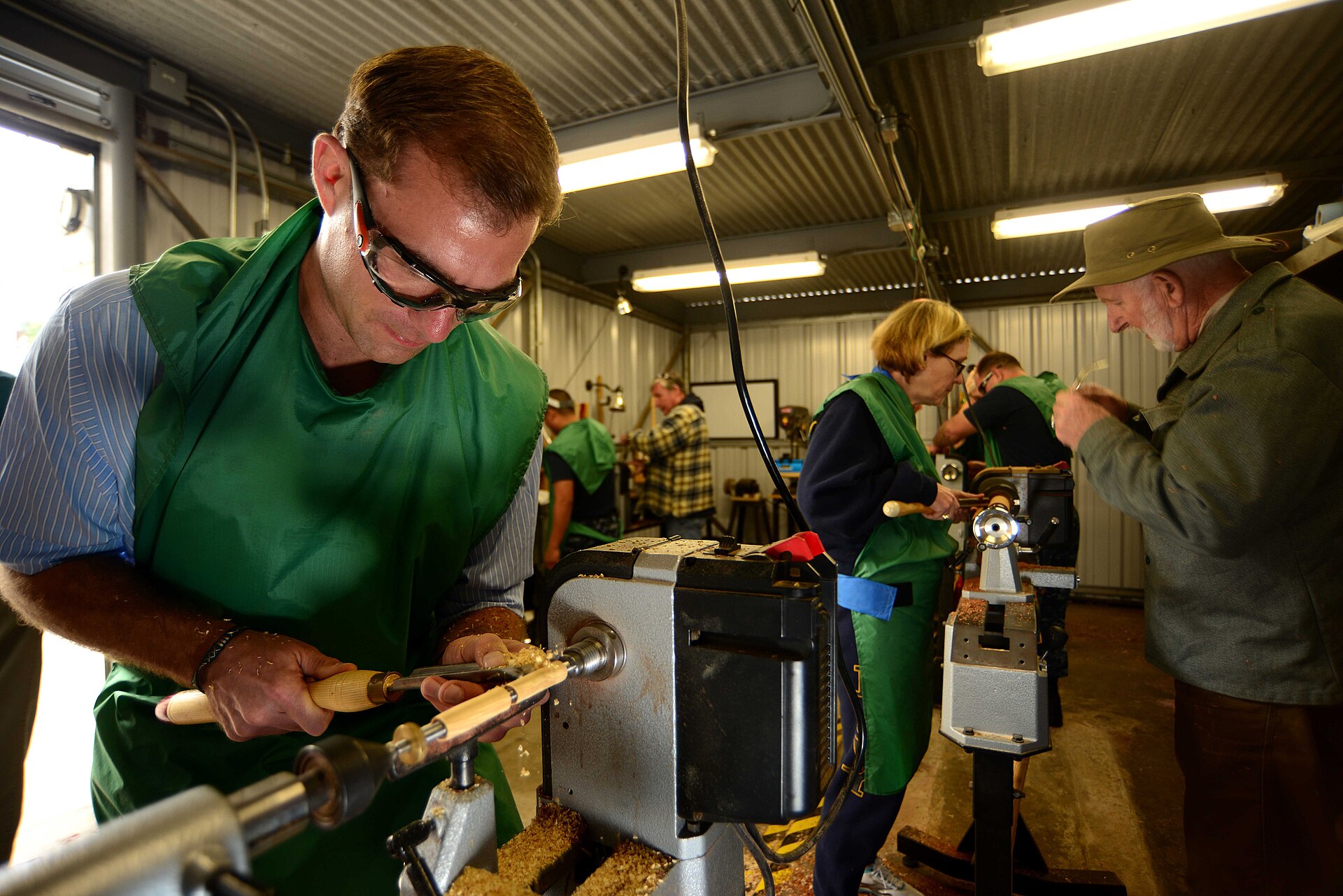
The brushless motor on the 70-1516VSRK is a real improvement: brushless motors run cooler, last longer, and are more energy-efficient than brushed motors. The 70-220VSR’s brushed motor is serviceable for hobby use but has finite brush life; replacement brushes are available while Rikon’s parts inventory lasts.
The 70-1516VSRK has less center-to-center capacity (16.5 vs 20 inches), which matters for turners who regularly make furniture components or long tool handles. For bowl and pen turning, 16.5 inches handles the vast majority of projects without compromise. The swing difference (12 vs 12.5 inches) is negligible in practice.
Buying on the used market
Used 70-220VSR examples appear on eBay and Facebook Marketplace in the $400 to $650 range. A well-maintained machine at the lower end of that range is a reasonable buy for a first full-featured midi lathe, especially if you’re not certain how committed you’ll be to the hobby long-term.
Things to check before buying:
Motor function. Run the lathe through its full speed range and listen for consistent sound without speed hunting or bogging at low RPM. The auto-torque control should maintain speed smoothly from 250 through the upper range.
Headstock and tailstock alignment. Bring a center in both ends and check that they line up. Misalignment from a dropped headstock or rough shipping produces persistent centering problems on spindle work.
Quill slop. Lock the tailstock quill and try to move it laterally. A small amount of movement is normal; significant wobble indicates wear that will affect drilling and tailstock-supported work.
Spindle thread condition. Inspect the headstock spindle thread for damage from cross-threading. A damaged spindle thread is difficult to repair and makes the machine much harder to use; factor in the cost of spindle service if you find thread damage.
Tool rest and banjo. Confirm the banjo locks securely and the tool rest post seats without wobble in the banjo socket. A loose banjo makes precise tool rest positioning unreliable.
Rikon 70-220VSR vs Jet JWL-1221VS
The Jet is the Rikon’s closest current-production rival, and on paper the two are near twins: 1 HP, 115 volts, a 12-1/2-inch swing, the same 1-inch by 8 TPI spindle and a five-year warranty when new.
| Spec | Rikon 70-220VSR | Jet JWL-1221VS |
|---|---|---|
| Speed range | 250 to 3,850 RPM | 60 to 3,600 RPM |
| Between centers | 20 in | 20-1/4 in |
| Weight | 115 lb | 121 lb |
| Status | Discontinued, used only | Current production |
Speed range is the one difference that changes how you work. The Jet’s 60 RPM floor lets you bring a rough, green or off-round bowl blank up to speed gradually; the Rikon starts at 250, where an irregular 10-inch blank can vibrate badly before it’s trued. At the other end, the Rikon’s 3,850 RPM gives pen and small-spindle turners 250 RPM more than the Jet. If your blanks start reasonably round and small work is your focus, a sound used Rikon at its price is the better buy. If you rough large green blanks, or want a warranty and a dealer network behind the machine, buy the Jet.
Alternatives
For a new midi lathe at the same class, the Jet JWL-1221VS review covers the most direct current-production competitor. For the current Rikon model specifically, the 70-1516VSRK is the machine to evaluate.
For turners who want more capacity than a midi lathe offers, the Powermatic 3520C review covers the full-size floor lathe that serious bowl turners eventually move to.
On tools and setup alongside whichever machine you choose: the first turning tools guide and the sharpening setup guide cover what goes on the bench next to the lathe, independent of the lathe brand.
A used 70-220VSR in good condition is a capable machine at its current used-market price. The 70-1516VSRK is the answer if you want a current-production machine with a brushless motor, an included chuck, and parts availability that doesn’t depend on legacy inventory running out.