Jet JWL-1221VS vs Rikon 70-220VSR: Midi Lathe Comparison
Jet JWL-1221VS vs Rikon 70-220VSR compared spec by spec: speed range, spindle thread, build quality, what each does better, and the verdict by turner type.
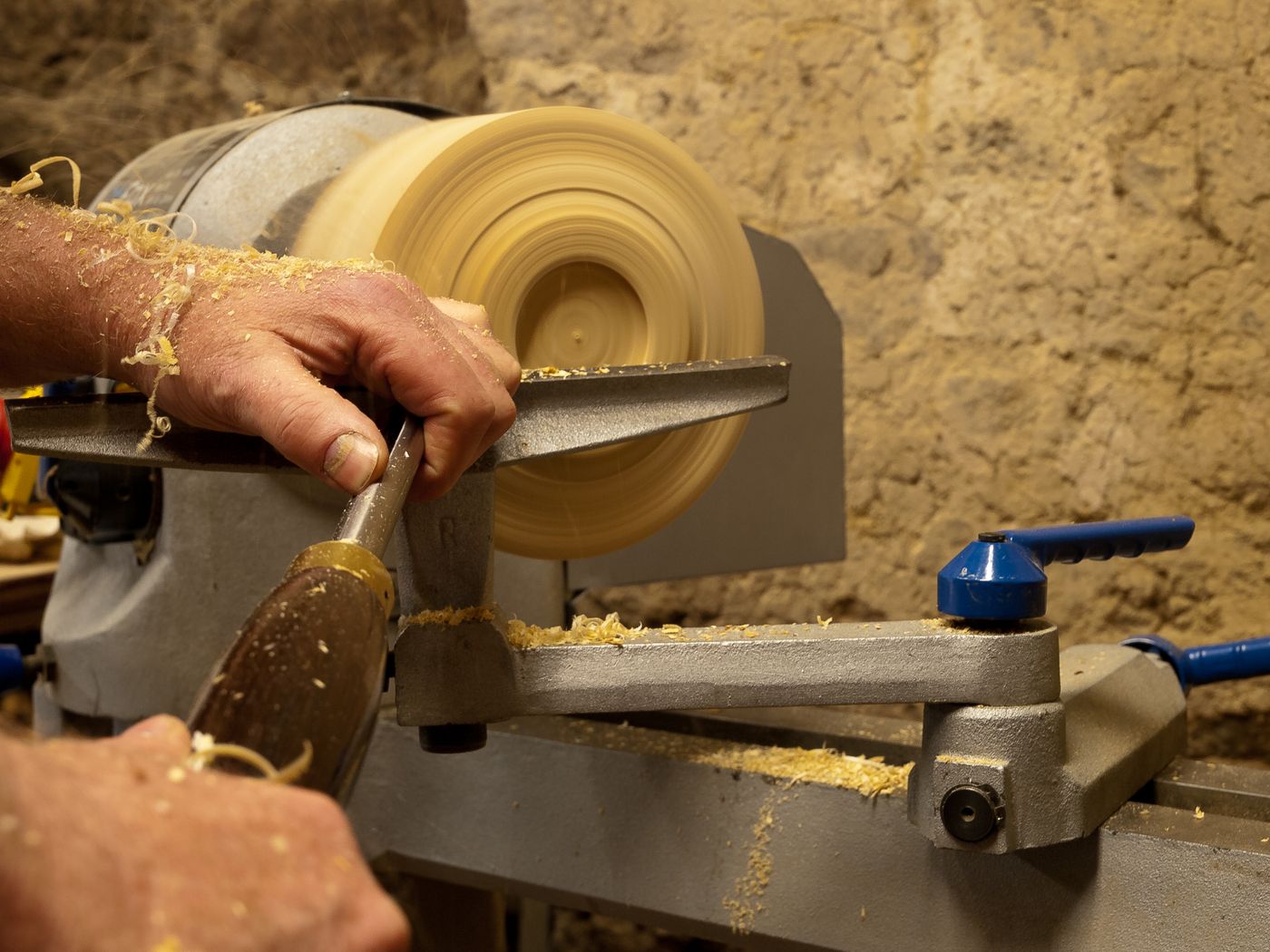
The Jet JWL-1221VS and Rikon 70-220VSR are both 1-HP, 115-volt, 12-1/2-inch midi lathes with a 1-inch-by-8-TPI spindle. They take the same chucks, turn the same maximum bowl diameter, and run on the same household outlet. The meaningful difference is speed range: the Jet’s minimum speed is 60 RPM (better for large, unbalanced blanks), the Rikon’s maximum is 3,850 RPM (better for pen turning and small-diameter work). That split is the whole comparison. Everything else is marginal.
Side-by-side specs
All figures from the respective manufacturer product pages (verified June 2026):

| Spec | Jet JWL-1221VS | Rikon 70-220VSR |
|---|---|---|
| Motor | 1 HP | 1 HP |
| Voltage | 115V | 115V |
| Speed range | 60 to 3,600 RPM | 250 to 3,850 RPM |
| Swing over bed | 12-1/2 in | 12-1/2 in |
| Distance between centers | 20-1/4 in | 20 in |
| Spindle thread | 1”×8TPI | 1”×8TPI |
| Weight | 121 lb | 115 lb |
| Warranty | 5 years | 5 years |
Neither lathe is significantly heavier or more capable on paper. The swing, between-centers capacity, motor, and voltage are identical for practical purposes. The spindle thread is the same, which means all chucks and accessories are interchangeable between the two machines.
Speed range: the decision that matters
The only spec that creates a real functional difference between these two lathes is the speed range at each end.
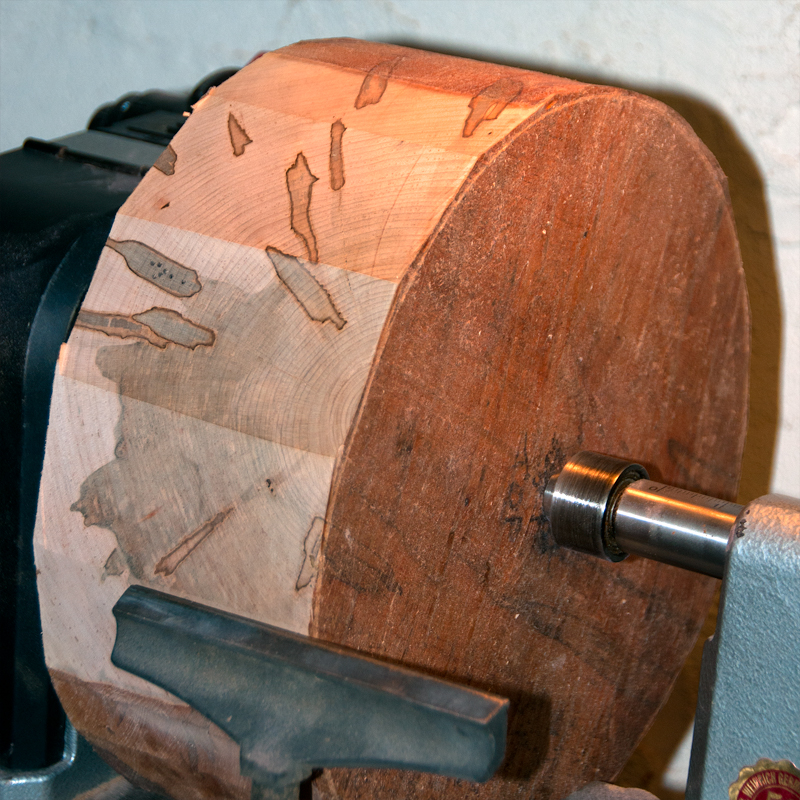
The Jet’s 60 RPM minimum. This matters more than most buyers expect. When you start a fresh-cut bowl blank, especially one cut green from a log or rough-sawed with a chainsaw, the blank is often irregular enough to wobble at anything over 200 RPM. An 8-inch blank with a bark inclusion that catches the air asymmetrically, or a 10-inch wet blank that’s still slightly off-round, can vibrate badly at 250 RPM before it’s trued up. The Jet’s 60 RPM floor lets you bring those irregular blanks up to speed gradually, roughing them closer to round before you raise the speed. The Rikon at 250 RPM is fine for most reasonably round blanks, but it’s not the right tool if your blanks regularly start very rough.
The Rikon’s 3,850 RPM ceiling. Pen blanks run well at 2,000 to 3,000 RPM, and acrylic or synthetic blanks in particular benefit from the higher end of that range. Thin spindles and small hollow forms benefit from high speed to keep the surface cutting cleanly rather than chattering. The Jet at 3,600 RPM handles most of this work, but the extra 250 RPM the Rikon provides is real range if small work is your main use.
If you’re a bowl turner who works mostly with blanks that start reasonably round, the Rikon’s 250 RPM minimum is fine. If you regularly start with rough, irregular, or very large blanks, the Jet’s 60 RPM gives you meaningfully more control at the beginning of the session.
Build quality and vibration
Both machines are solidly built for their price class. The Jet is 121 pounds, the Rikon 115 pounds. Neither is a floor lathe, but both are heavy enough to stay put during normal use. At the roughing stage with a rough blank, neither machine will match the stability of a 700-pound floor lathe, but that’s not the comparison. Both are reasonably stable on a heavy bench.
Owner reports on the AAW Forum describe the Jet as having slightly better vibration management at low speeds with rough stock, which aligns with the physics: the Jet’s lower minimum speed means it’s better designed for the range where vibration matters most. The Rikon is praised for smooth performance across its range at normal turning speeds.
Both lathes have electronic variable speed (EVS). The speed dial is continuous across the stated range; there are no belt positions to swap for different speed ranges. This is the right design for a versatile hobby lathe: you don’t stop the lathe to change from roughing speed to finishing speed, you just dial it.
Accessories and chuck compatibility
Since both lathes share a 1-inch-by-8-TPI spindle, the chuck and accessory market is identical. A Nova G3, a Teknatool Pro-Tek, an Oneway Stronghold, or any other chuck available in the 1-by-8 thread size fits either machine. You can buy a chuck for a Jet and use it on a Rikon, or vice versa, without any adapter. The Nova G3 chuck review covers the most popular four-jaw chuck in this spindle class.
Both lathes use a #2 Morse taper for the headstock and tailstock. Standard live centers, drill chucks, and spur centers in the #2 MT fit both machines.
Price and availability
The Jet JWL-1221VS lists at approximately $990 (verified June 2026 at jet.com). The Rikon 70-220VSR typically lists for less; check current pricing at rikontools.com and authorized dealers. Both machines are available at Woodcraft and Rockler, where in-store service is an option if you have questions during setup.
The price difference is real and matters if budget is the deciding factor. If the Rikon is significantly cheaper in your market, that savings can go toward a chuck, a sharpening setup, or tools.
The verdict by turner type
Choose the Jet JWL-1221VS if:
- You plan to turn larger bowl blanks, especially from rough-cut or green wood that starts irregular
- You want the widest possible speed range for versatility as your turning develops
- You value the Jet dealer network for long-term service and parts
- Budget is not the primary constraint
Choose the Rikon 70-220VSR if:
- Pen turning, small spindle work, or ornaments are your primary focus
- Your bowl blanks are typically already reasonably round before they go on the lathe
- The price difference is meaningful to your budget and you’d put the savings toward tools or accessories
- High top speed matters to you more than low minimum speed
Neither machine is a bad choice. They’re both well-made midi lathes at a price point that makes sense for a serious hobby turner. The Jet JWL-1221VS review covers the Jet in more detail for buyers who want the full breakdown. For turners who’ve outgrown a midi lathe entirely, the Powermatic 3520C review covers the full-size benchmark and who actually needs it.