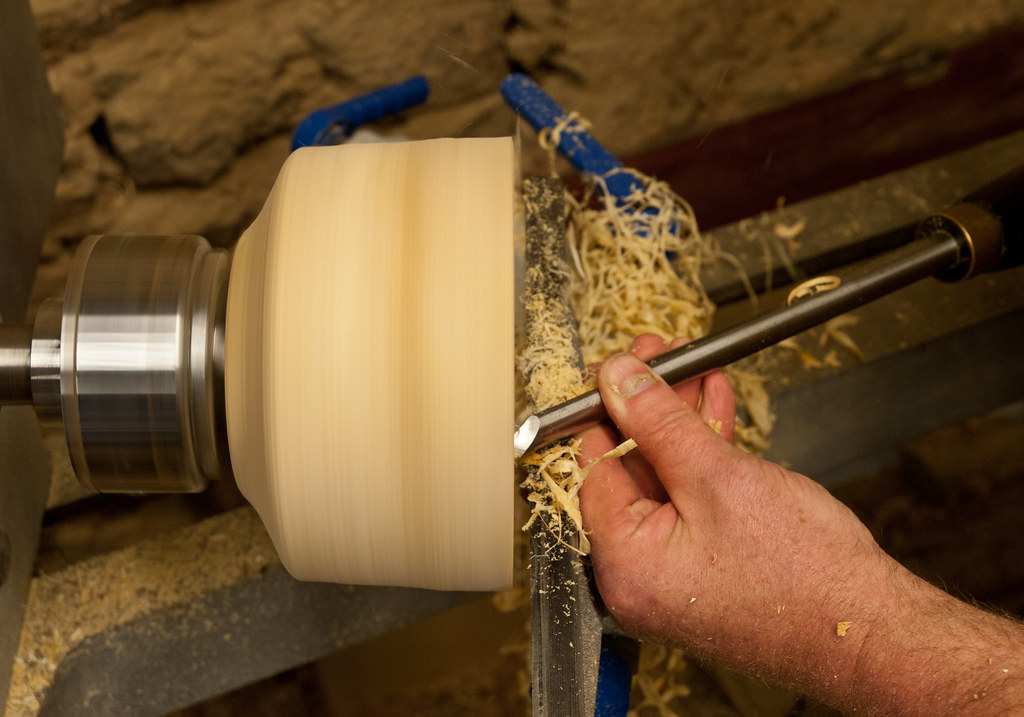
Lathe Chuck Guide: Jaws, Faceplates, and Compatibility Decoded
Woodturning chuck guide: four-jaw scroll chucks, jaw sets, faceplates, and worm screws explained by turning use case, with a spindle-thread compatibility table.
As an Amazon Associate, Lathesong earns from qualifying purchases, at no extra cost to you.
A four-jaw scroll chuck holds bowl blanks by their tenon. Jaws compress against a tenon or expand into a recess to hold the piece without a faceplate or live center. Most midi lathes use a 1-inch by 8-TPI spindle thread. Most full-size lathes use a 1-1/4-inch by 8-TPI thread. A chuck that fits one thread does not fit the other without a separate adapter insert.
That thread difference is the single most common point of confusion when buying workholding. Get it right before you buy.
As an Amazon Associate, Lathesong earns from qualifying purchases, at no extra cost to you.
The four-jaw scroll chuck
The standard workholding tool in woodturning is the four-jaw scroll chuck, also called a four-jaw chuck or simply a chuck. Four jaws move simultaneously on a scroll mechanism inside the body. Turn the adjustment key and all four jaws open or close together, gripping the work by compression.
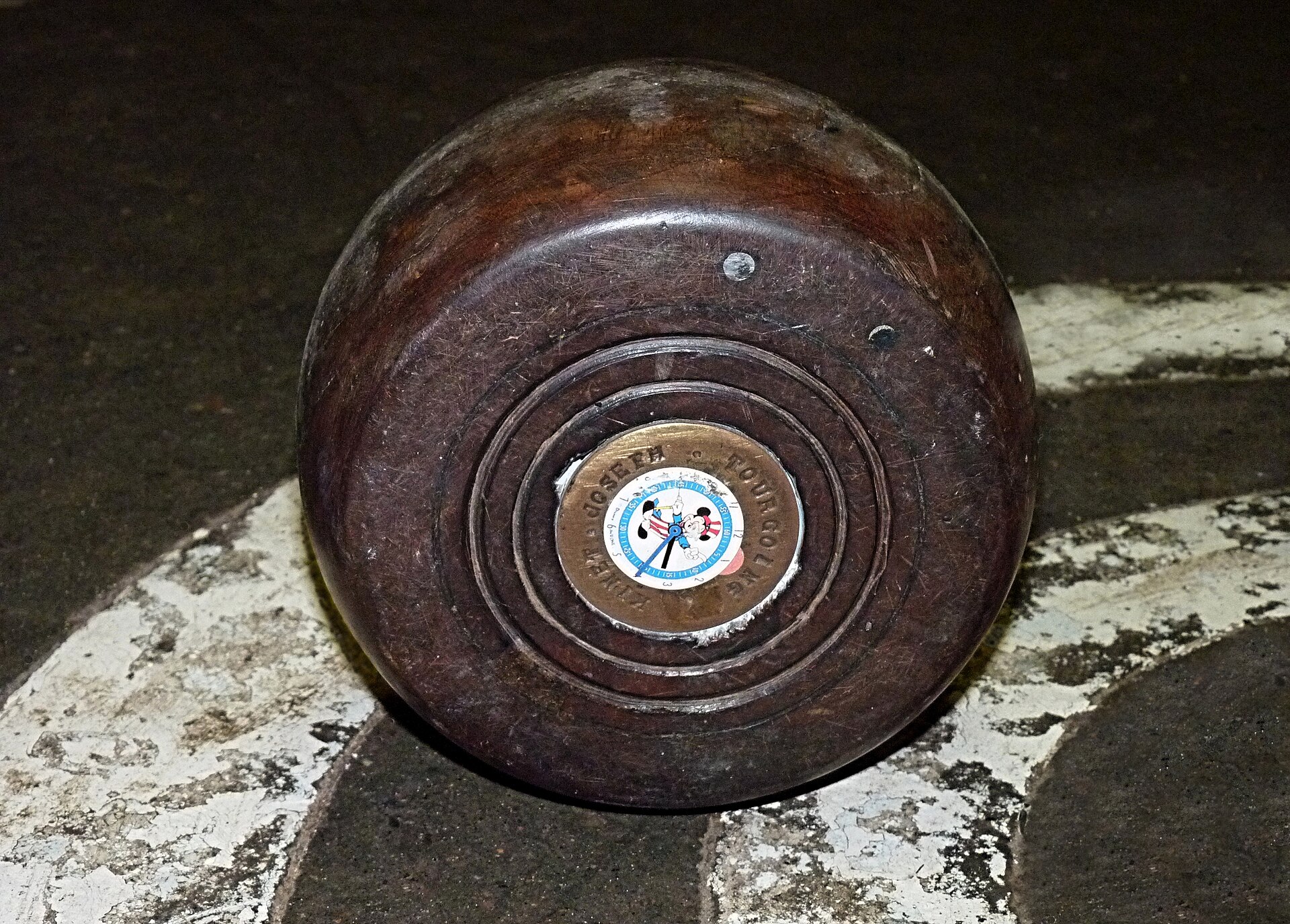
The chuck mounts on the lathe’s spindle thread. The jaws grip a tenon (a short cylindrical protrusion cut on the base of the work) or expand into a recess (a socket cut into the base). The dovetail profile on most turning jaws locks the work onto the chuck under cutting forces.
The most common first chuck for woodturners is the Nova G3. It has a long track record, a broad jaw ecosystem, and inserts for every common spindle thread. The Oneway Talon is the premium alternative with tighter tolerances and a different jaw family.
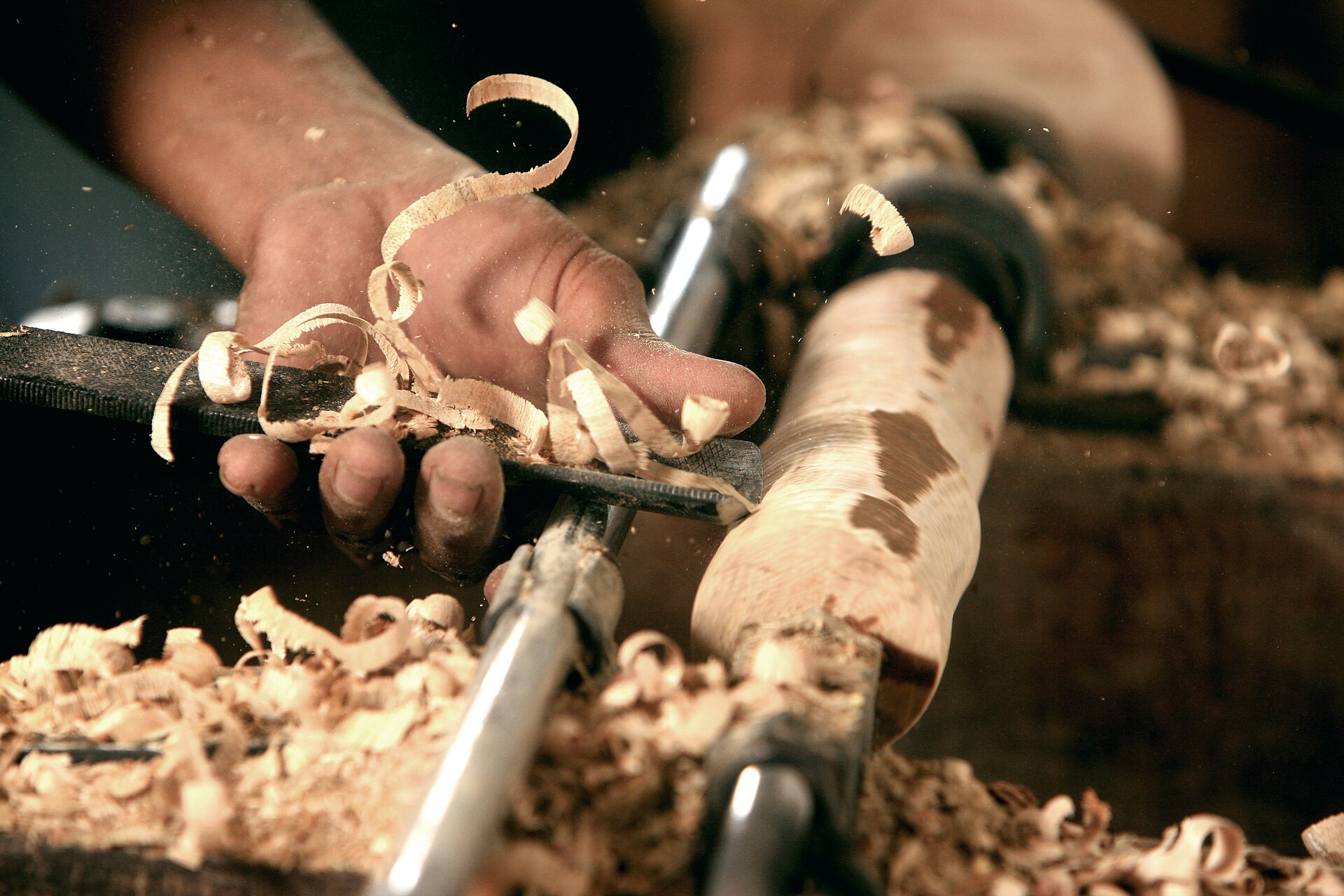
The default first chuck for midi-lathe bowl turning: widely stocked, well made, with a jaw ecosystem that grows with your work. Confirm the insert matches your lathe's spindle thread before ordering.
Spindle thread compatibility
| Lathe class | Standard thread | Example machines |
|---|---|---|
| Midi | 1 in x 8 TPI | WEN 3424T, Jet JWL-1221VS, Rikon 70-220VSR, Laguna Revo 1216 |
| Full-size | 1-1/4 in x 8 TPI | Powermatic 3520C, Grizzly G0766, Jet JWL-1840EVS, Laguna Revo 18|36 |
When you buy a chuck, you specify the insert that matches your machine’s thread. The insert threads onto the chuck body and then the chuck threads onto the spindle. The G3 ships with the insert separately, so you order “Nova G3 chuck + 1 in x 8 TPI insert” for a midi lathe, or “Nova G3 chuck + 1-1/4 in x 8 TPI insert” for a full-size lathe.
Upgrading from a midi to a full-size lathe: buy the new insert ($30 to $50) and move the chuck. You are not replacing the chuck body. Nova, Oneway, and PSI all sell inserts for both spindle standards, which is why most serious turners own one quality chuck body and a couple of inserts rather than a second chuck.
Jaw sets
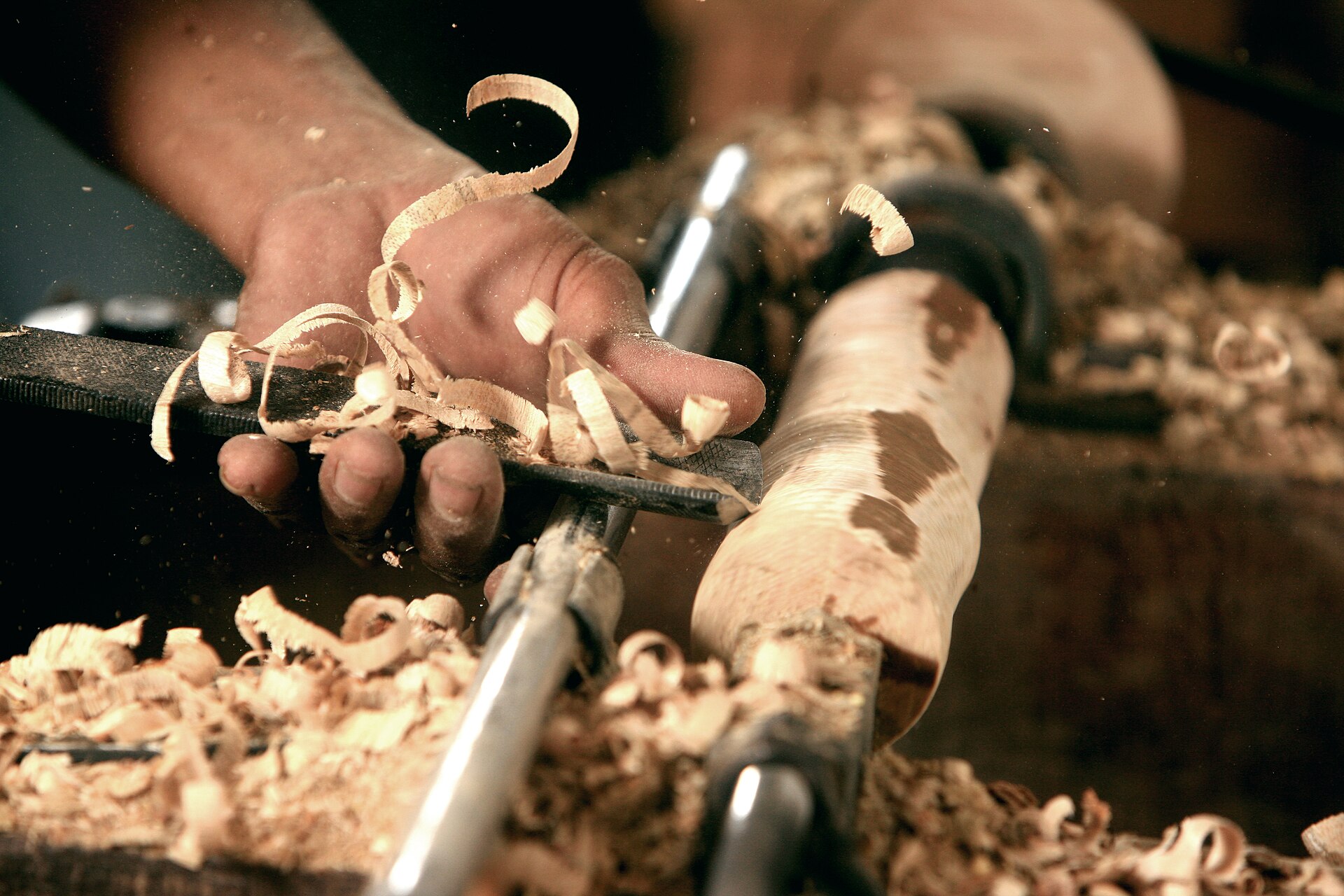
The chuck body is reusable. Jaw sets are interchangeable. Most chuck manufacturers sell multiple jaw sets in different sizes and profiles.
Standard/dovetail jaws: The default set included with most chucks. Grip a tenon with a dovetail profile. Most common for general bowl and face work.
Step jaws: Grip cylinders and square stock without a dovetail. Useful for pen blanks, spindle work, and pieces that cannot accommodate a tenon.
Large jaw sets (100mm+): Larger grip diameter for bigger tenons. Useful for large platters or bowls where a small tenon would be inadequate for the weight.
Small jaw sets (35mm or smaller): Grip smaller tenons on ornaments, small bowls, and miniature work.
Bowl turning generally calls for a jaw set that grips 2 to 4 inches in the closed position, sized to the tenon you cut. The jaw set size is measured by the diameter the jaws grip in their closed position. A 50mm set grips roughly 2-inch tenons. A 100mm set grips roughly 4-inch tenons. The tenon you cut should match the jaw set you have; do not cut a 3-inch tenon and try to grip it with 50mm jaws at full extension, because the grip at the edge of the jaw travel is less secure.
The next addition after the standard 50mm set. Confirm the dovetail profile and thread match your chuck body before buying a third-party jaw set.
Faceplates
A faceplate is a flat plate that threads onto the spindle. You screw the blank directly to the faceplate with wood screws through pre-drilled holes. It is the most secure first mount for a fresh bowl blank, especially a large or heavy one.
Typical workflow: mount the blank on the faceplate, turn the outside of the bowl including the tenon, then transfer to the four-jaw chuck to hollow the inside. The faceplate holes become waste wood that you later remove when finishing the bottom.
Faceplates come in diameters from 3 inches (for small work) to 8 inches or more (for large blanks). The thread must match the lathe’s spindle thread, same as a chuck.
The most secure first mount for a heavy or out-of-round blank. Check the spindle thread against your lathe (1 in x 8 TPI for most midis, 1-1/4 in x 8 TPI for most full-size machines) before ordering.
Worm screws and screw chucks
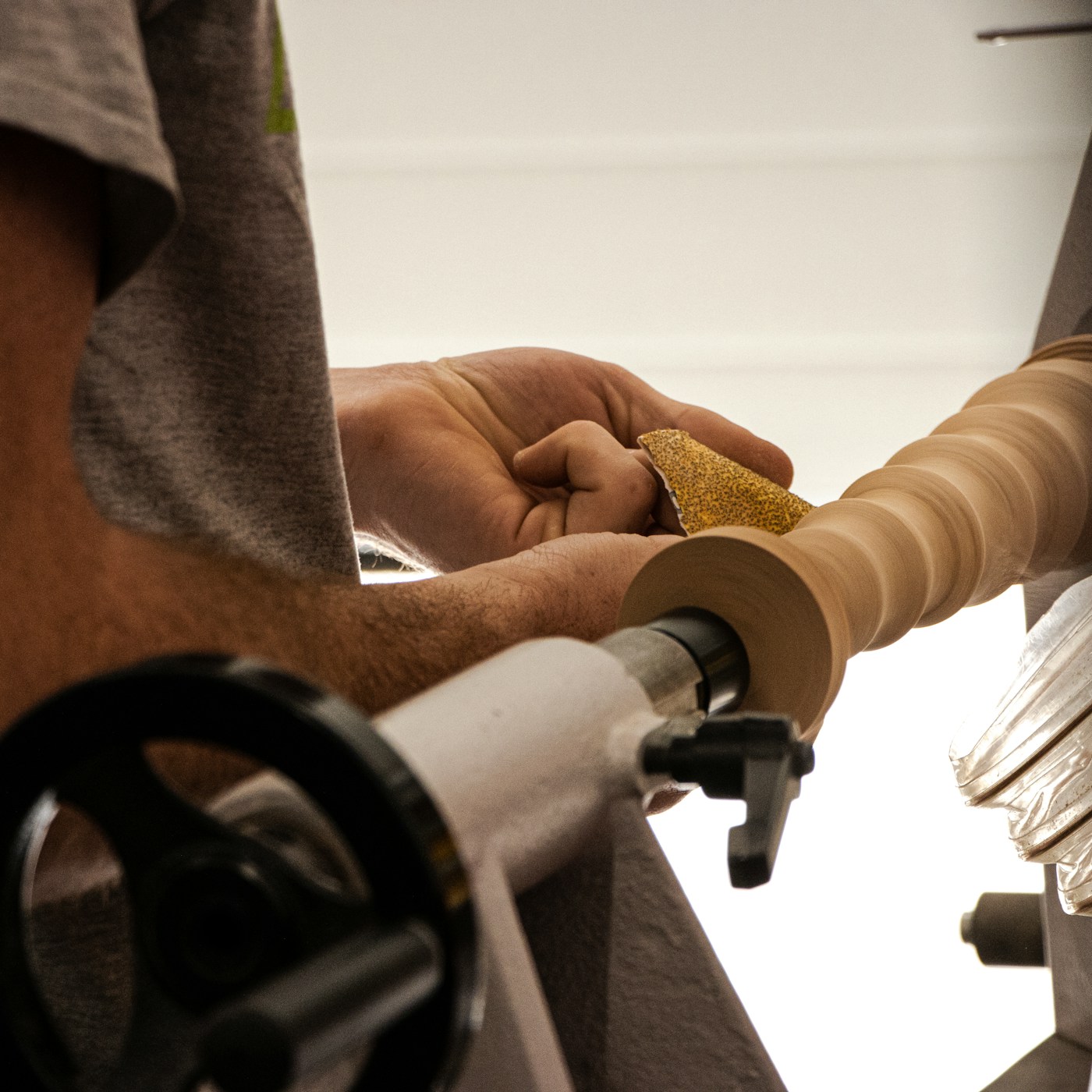
A worm screw (sometimes called a screw chuck) is a single large wood screw that threads into the lathe spindle or mounts in the chuck body. You drive the blank onto the screw point to hold it for face turning without a tenon or faceplate.
The worm screw is faster than a faceplate for small blanks (under 8 inches). It is less secure for large, heavy blanks. Most four-jaw chucks can hold a worm screw insert in the chuck body, so you get screw-chuck functionality from your existing chuck investment. A Jacobs chuck fitted with a center screw does the same job for small spindle blanks; neither option matches the faceplate’s grip on a large or dense piece.
What to buy
For a first chuck: Nova G3 with the insert that matches your lathe’s spindle thread. Add the standard dovetail jaw set (50mm). That covers 90 percent of bowl and face work.
For the jaw sets: start with what ships with the chuck, see what you need, and add specialty sets as specific projects demand them. A 100mm jaw set is the next most common addition for turners who work with larger bowls.
The Nova G3 chuck review covers the chuck body, the jaw ecosystem, and the buying decision in full detail. The first bowl guide covers how the chuck fits into the turning sequence from blank to finished piece.