Lathe Projects That Sell: Craft Fairs, Etsy, and Margins
The woodturning projects that actually sell, what margins look like on common items, how to price your work, and where to sell turned pieces beyond Etsy.
As an Amazon Associate, Lathesong earns from qualifying purchases, at no extra cost to you.
Turned items that sell reliably split into two categories: fast pieces with low material cost and high volume (pens, bottle stoppers, honey dippers, small ornaments) and slow pieces with high perceived value (natural-edge bowls, hollow forms, segmented work). The fast pieces pay your booth fee and create the sense of activity at a table. The slow pieces build your reputation, your price ceiling, and what you can charge for everything else. A healthy craft turning practice runs both.
As an Amazon Associate, Lathesong earns from qualifying purchases, at no extra cost to you.
The mistake most beginning sellers make is loading their booth or Etsy shop with their best technical work and wondering why it doesn’t move. Technical skill and commercial appeal aren’t the same thing, and the market tells you which is which pretty clearly.
The hand test
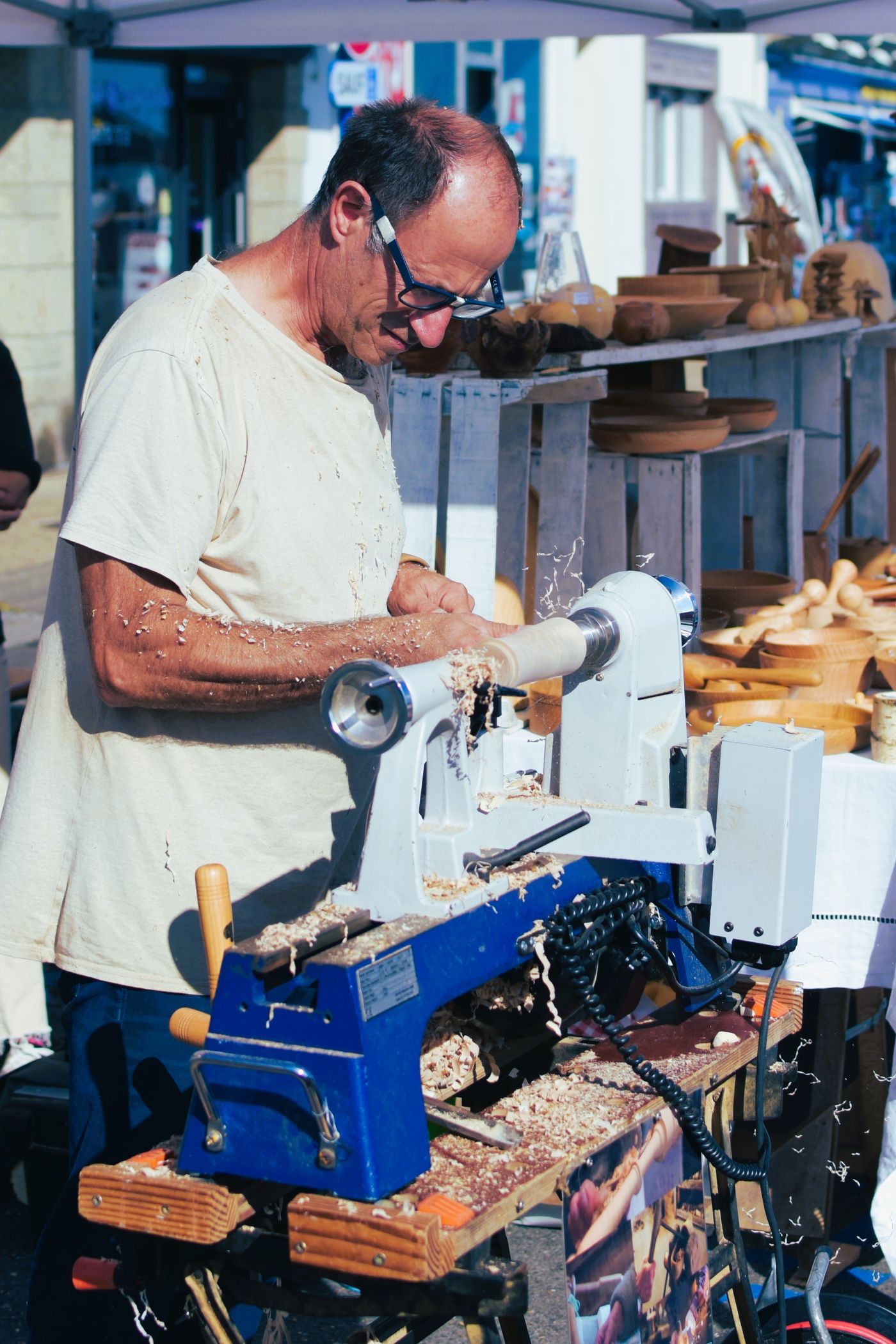
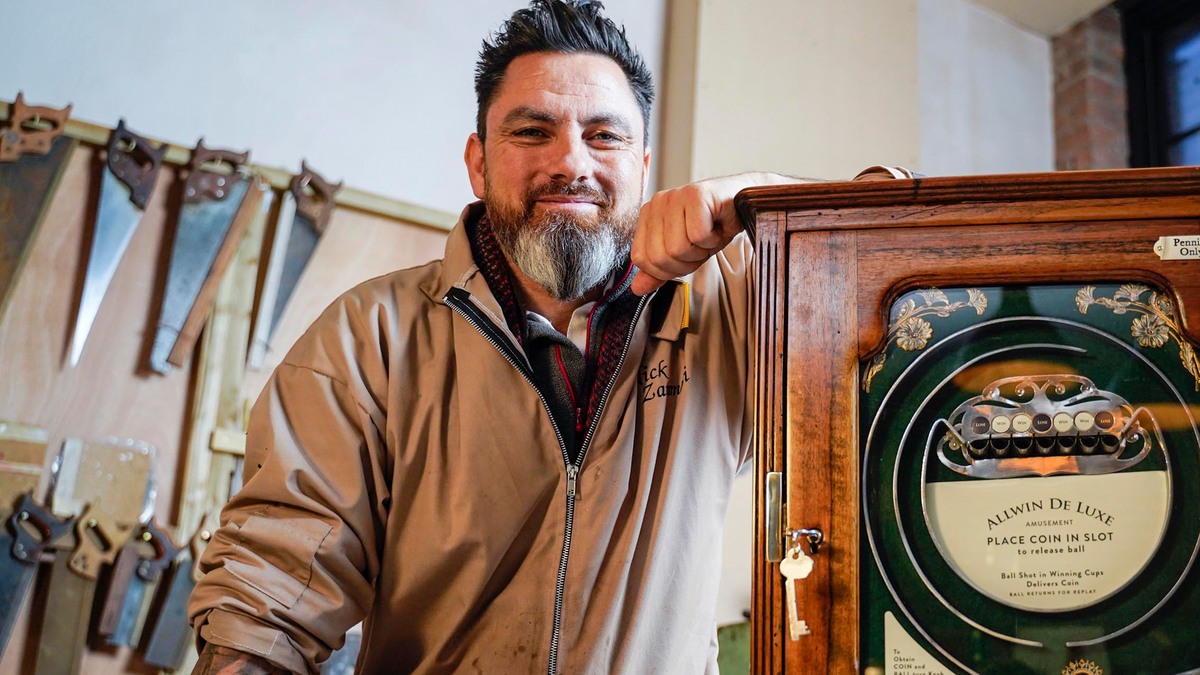
Items that sell fastest at craft fairs are the ones people can pick up, understand in three seconds, and immediately picture using. A rolling pin. A bottle stopper. A honey dipper. A pen. These don’t require explanation. The buyer holds it, knows what it does, and decides whether they want it. The price is visible, usually under $50 for most entry-level production turning, and the decision is fast.
Natural-edge bowls with live bark and voids, hollow forms with complex pierced surfaces, large segmented vessels: they draw a crowd and generate compliments. They’re also much harder to convert to a sale. The buyer stops, admires, asks how long it took, learns it’s $180, and moves on. The problem isn’t the price or the skill. It’s that the buyer has to imagine a place for the piece in their home, and the imagination work is harder than picking up a rolling pin and saying “yes, I use these.”
This isn’t an argument against making impressive work. It’s an argument for having both. The eye-catching showpiece brings people to the table; the $25 bottle stopper closes the transaction.
High-velocity items: what moves fast
Pens. Low material cost relative to retail price, fast to turn, broadly giftable, infinitely variety-able by wood species, blank material (acrylic, resin, antler), and pen style. Material runs $4 to $12 in blank and hardware depending on style, an experienced turner takes 30 to 45 minutes per pen, and retail runs $25 for basic styles to $80 or more for premium wood or exotic materials. A set of 10 pens at a craft fair can move in a morning if they’re priced right and displayed well. The learning curve for pen turning is discussed in the pen turning starter guide. Per hour, that’s some of the strongest margin in production turning.
Bottle stoppers. A single blank, a purchased cork and decorative stopper hardware, 15 to 20 minutes of turning. They display well on a stand at $15 to $25 each. Buyers understand them instantly. Wine drinkers gift them constantly. Keep 20 in stock and expect them to move.
Honey dippers. Small spindle work. The dipper head is turned in a spiral or ridged pattern; the handle is a thin spindle. Fast to turn, useful, and photogenic for Etsy. They photograph better than almost any other turned item.
Rolling pins. Mid-size spindle work between centers. Turned in wood species that are hard and stable (maple, walnut, cherry), with or without silicone rings or ball bearings in the handles. They fill a price gap in most booth setups: something substantive in the $45-to-$75 range that sells better than you’d expect because bakers actually buy them.
Ornaments. Seasonal but high-velocity. Small hollow forms or finial-and-ball designs in any wood. At holiday craft fairs, the ornament category often outsells everything else on a per-item basis. The margins are strong and the production time per unit is low once you’ve learned the form.
Mid-tier items: function at a price
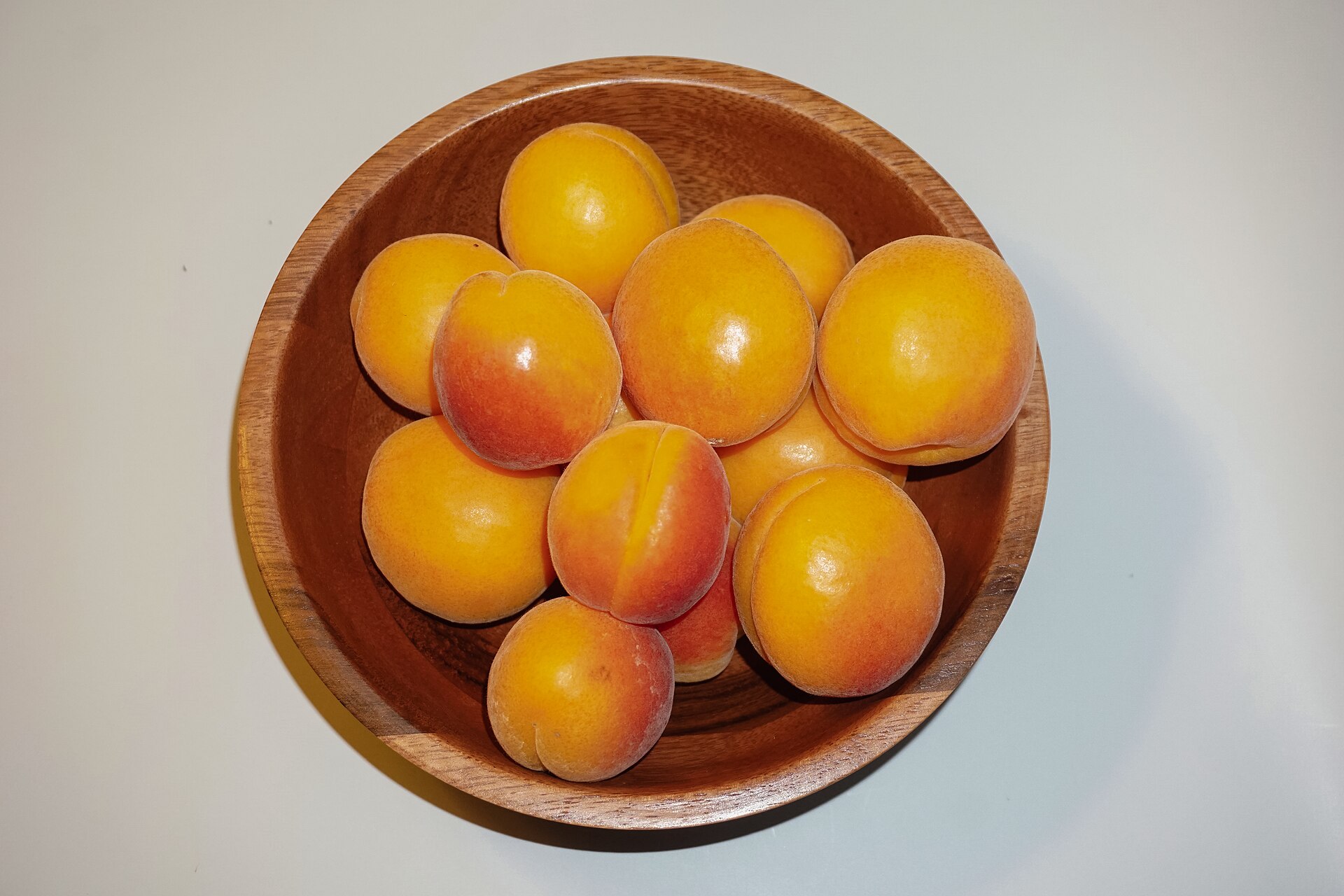
Bowls. The classic turning project. What sells on Etsy and at fairs is not the plain salad bowl but the bowl with something to say. A beautiful grain figure, a natural live edge with bark, an unusual species, a specific size that serves a specific purpose (6-inch nut bowl, large serving bowl, nesting set). Plain round bowls in basic species compete against low-cost imports. Distinctive bowls with a clear visual statement compete in a different market.
Pricing a bowl: the 12-inch figured walnut bowl with live edge at $95 sells; the same-size plain maple bowl at $45 is harder. Both took similar time to turn. The material and the story are doing the pricing work, not just the skill. Tell that story specifically: the species, where the blank came from, what inspired the form. That’s what separates a documented $95 bowl from a generic $45 one. A consistent finish is part of that story: a coat of sanding sealer before the topcoat evens out end-grain absorption, so figured wood doesn’t blotch under the finish you’re charging a premium for.
Levels out uneven absorption on figured wood and end grain before the topcoat, so a batch of production bowls or rolling pins finishes consistently instead of blotching piece to piece.
Vases and vessels. Narrow-mouth forms in interesting wood or with surface decoration. These photograph well and have strong Etsy potential. Buyers display them as objects, not just use them as vessels. That changes the price ceiling significantly.
Mallets and tool handles. Practical. Sold to woodworkers who visit craft fairs at woodworking shows. A turned hardwood mallet in walnut or maple is a compelling item for someone who works with wood and appreciates craft. The price is often surprising to general craft fair buyers but right for a woodworking audience.
Premium tier: reputation items
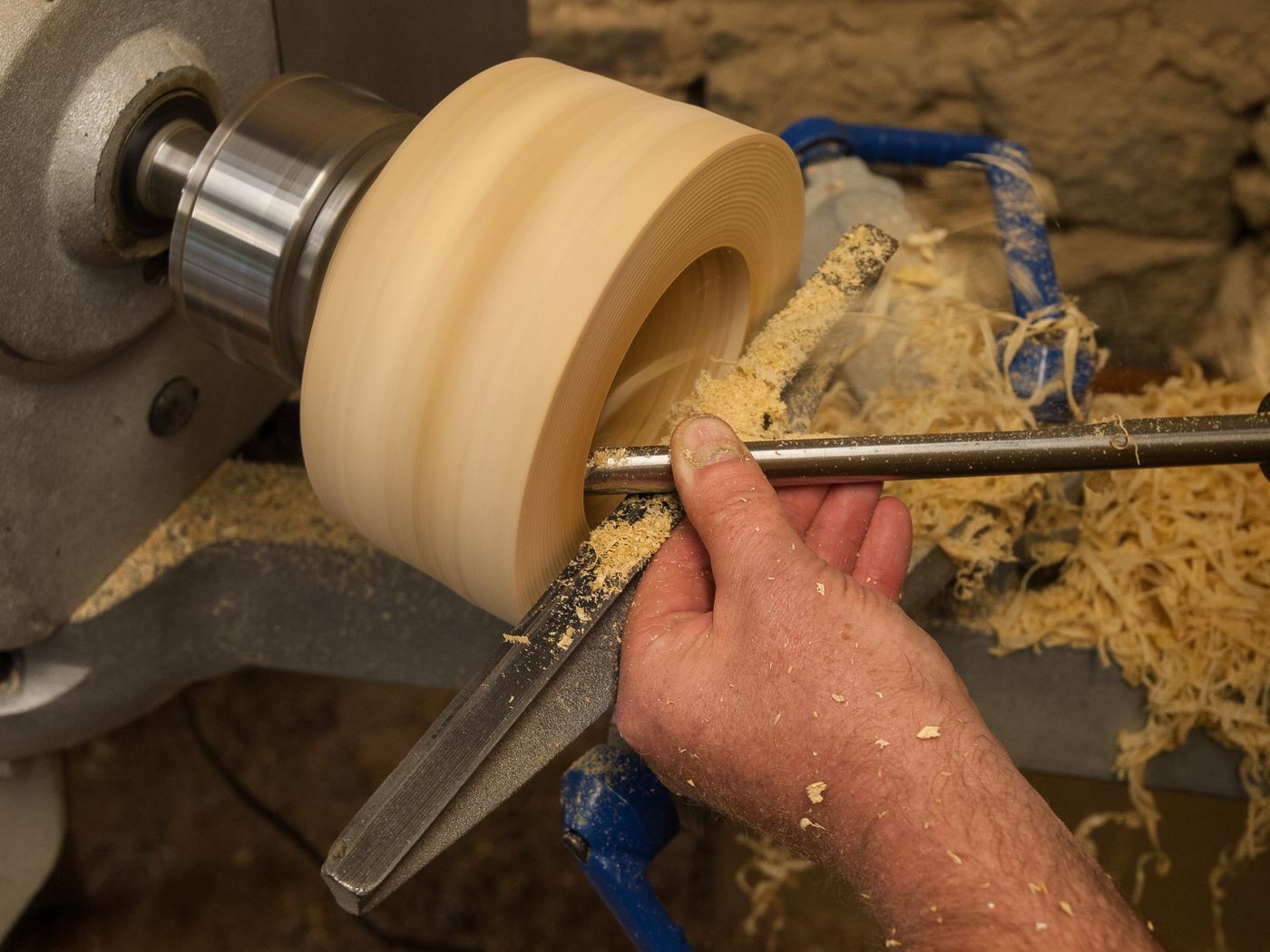
Natural-edge bowls. The live-edge bowl with bark inclusions, voids, and organic form is the classic turning showpiece. It converts to sales less reliably than functional work, but when it sells it sells at a price that plain bowls can’t reach. One $150 bowl sale is worth 6 bottle stoppers, and it builds the story of your table.
Hollow forms. Technically demanding, distinctive, highly photogenic. The most artistically driven work in hobby turning. Priced high, bought by buyers who understand the craft. This is the category that translates best to gallery sales and commission work if you want to pursue that.
Segmented work. Bowls or vessels built from many pieces of different woods laminated into geometric patterns. The design work is as much the product as the turning. Segmented pieces command prices that reflect the design and preparation time, not just the turning time. Margin per hour usually runs lower than pens unless you can charge a premium for the design itself; the payoff is a higher price ceiling per piece, not a faster path to it.
Where to sell beyond Etsy
Etsy itself is worth keeping as a channel, but it rewards driven traffic more than organic search these days. The platform is saturated with woodturning listings, and the shops that do well there share a trait: a distinctive style that photographs exceptionally well, a niche product that fills a real gap, or an audience built somewhere else first. Etsy ends up as the checkout page, not the discovery platform.
Local craft fairs and farmers markets. The most immediate feedback on what sells. You see what draws people, what they pick up, what they put down. The booth fee is real, but the data is worth it. Juried craft shows versus open farmers markets have very different audiences; try both.
Gallery consignment. Galleries that carry handcraft take 40 to 50% commission, but their buyers are already primed to spend. A piece that would take six craft fairs to sell might move in a week in the right gallery. Worth approaching once your work is consistent.
Wholesale to local shops. Furniture stores, kitchen shops, and local gift retailers buy turning at wholesale (roughly 50% of retail) for resale. The margin is lower per piece, but the volume potential is higher and you’re not standing at a booth.
Instagram and Pinterest. Turned wood photographs exceptionally well. A good phone photo of a natural-edge walnut bowl in natural light costs nothing to post and routinely drives inbound inquiries. This is the channel that drives Etsy sales: customers find you on Instagram and buy through Etsy or direct.
Pricing your work
The floor price is materials plus time. If a project uses $12 in materials and takes 40 minutes to turn and finish, and you want to earn $25 per hour for your time, your floor is $29. That’s not what you sell it for. That’s the number below which you’re paying for the privilege of giving your work away.
The ceiling is what the market will pay for that specific piece given the presentation, the venue, the story, and the buyer. Most beginning turners discover their ceiling is higher than they assumed, especially for distinctive or complex work. Start pricing at your ceiling and discount toward your floor for booth events if needed, not the reverse.
The most common first-year mistake is underpricing consistently. Underpricing signals low quality to buyers even when the work is excellent. A $25 bottle stopper next to a $12 bottle stopper makes the $25 one look better, not worse.
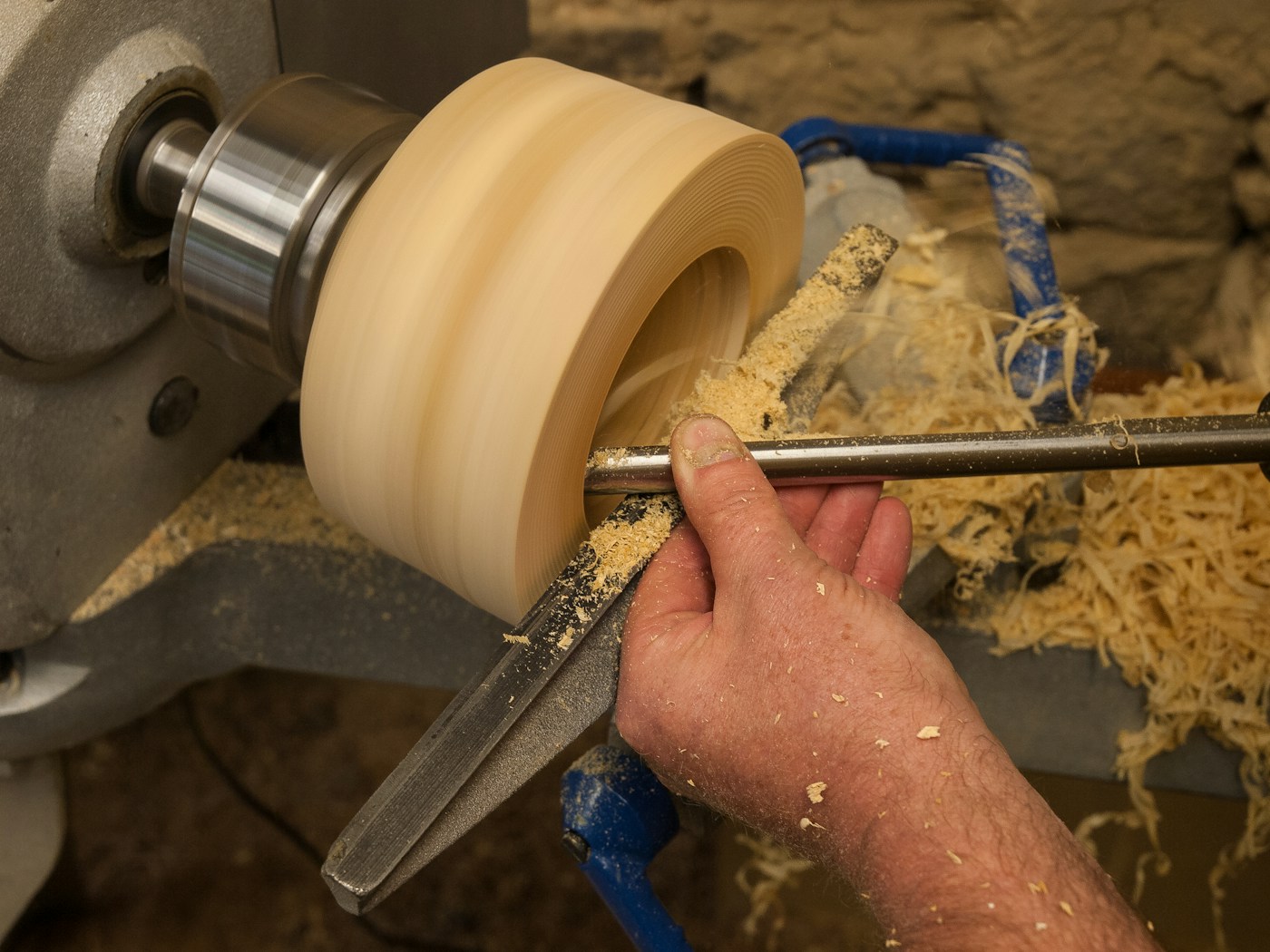
The first step toward a selling practice is the lathe itself. The Jet JWL-1221VS review covers the most common starting point for hobby-to-production turners. For chucks and accessories, the Nova G3 chuck review covers the four-jaw setup that handles bowl turning and small work from the same platform. The pen turning starter guide covers the fastest-to-production entry in the craft.