Food Safe Wood Finish: What Actually Works (and the Myth)
The food-safe wood finish myth, killed with primary sources: cure vs dry, the finish families honestly compared, and a decision table for boards and bowls.
As an Amazon Associate, Lathesong earns from qualifying purchases, at no extra cost to you.
The food-safe wood finish question is mostly a myth, and the myth makes people afraid of finishes that are genuinely safe. Here is the consensus from the finishing industry, sourced below: every common wood finish is food safe once it has fully cured. The real questions are not “is it toxic,” they are how long it takes to cure, how well it survives a knife, and how easily you can renew it. Answer those three and you have your finish.
As an Amazon Associate, Lathesong earns from qualifying purchases, at no extra cost to you.
The myth says certain finishes leach poison into food forever. The authority who put that to rest is Bob Flexner, whose book Understanding Wood Finishing is the standard reference, and who titled a sidebar on the subject “The Food Safe Myth.” His position: all the ingredients in common finishes, metallic driers included, are FDA-approved for food contact as long as the finish is made to cure properly. The rule of thumb he gives is almost too simple. If you can still smell it, it is not cured. Once it is cured, it is safe.
Is any wood finish actually food safe?
Yes, once cured, essentially all of them are. The fear centers on the metallic driers added to oils and varnishes to speed curing, compounds of cobalt, manganese, and zirconium. Flexner’s answer, and the finishing-industry consensus, is that the FDA approves these driers for food contact in a cured film, no warning labels are required on the cans, and no case of poisoning from a properly cured finish has ever been documented. Lead was a drier a century ago and was banned; today’s driers are a different question.
That said, this is the one genuinely contested point, so here is the honest version of both readings. Flexner and the magazine finishing world say cured driers are inert and safe. Some makers of pure-oil finishes, and some woodworkers, argue you should avoid driers on direct food-contact surfaces anyway, on the precautionary grounds that cobalt and manganese are not things you want in your kitchen at all. Both camps agree on the practical move: for a surface that meets food, especially one you cut on, use a pure oil with no added driers, and the debate becomes moot. You lose nothing by sidestepping it.
The federal regulation everyone half-cites is FDA 21 CFR 175.300. It is worth knowing what it actually says, because it is usually invoked as if it certifies a bottle of oil. It does not. It governs “resinous and polymeric coatings” used as “the food-contact surface of articles intended for use in producing, manufacturing, packing, processing, preparing, treating, packaging, transporting, or holding food,” and it lists the permitted substances and extraction limits for those industrial coatings. When a finish maker says their product “meets FDA 21 CFR 175.300,” they mean its formulation falls within that approved list. It is a real standard. It is not a magic phrase, and a finish does not need to cite it to be safe on a salad bowl.
Cure versus dry: the distinction that decides everything
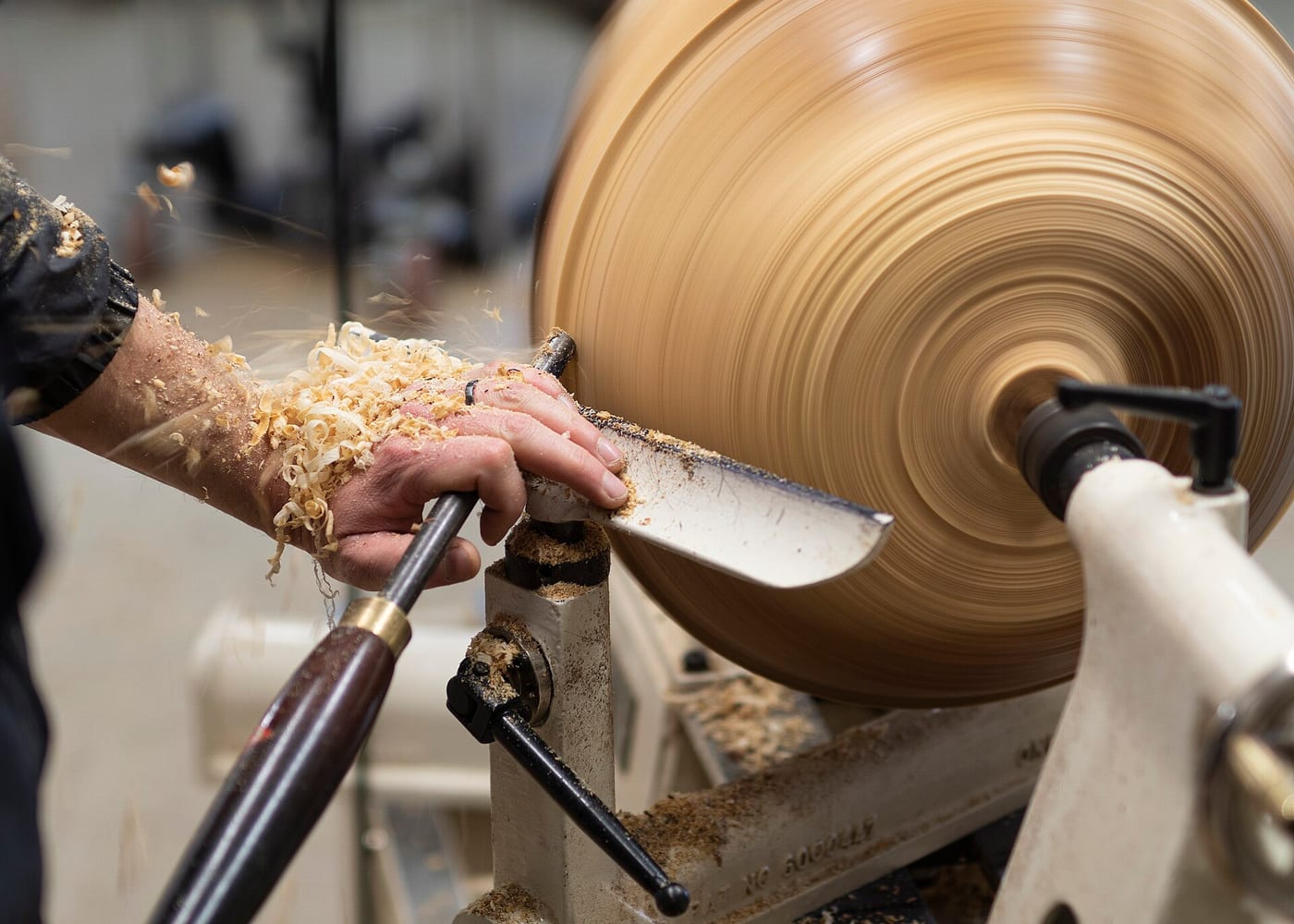
Dry and cured are not the same word for the same thing, and conflating them is how people put finished bowls into service too early. Dry means the surface is no longer tacky. That can happen in a few hours. Cured means the chemical reaction is finished and the film has reached full hardness, and that takes days to weeks. A finish is food safe only once cured, not once dry.
The cure times below come from each maker’s own product data, verified June 2026. They are the single most useful numbers on this page, because “wait until cured” is meaningless until you know what cured means for your specific finish.
- Food-grade mineral oil: never cures. It is non-drying by design, which is the whole point on a cutting board. Safe immediately, wipe off the excess and use it.
- Tried & True Original (linseed and beeswax): roughly 24 hours to handle and burnish, longer to fully harden in the wood; thin coats cure faster.
- Odie’s Oil (tung-oil base): handle in 24-48 hours, but cure 3-5 days before exposing to standing liquid.
- General Finishes Salad Bowl / Wood Bowl Finish (urethane oil): recoat in 6-12 hours, full cure in about 30 days at 70 degrees and 70 percent humidity.
- Pure tung oil: dry to the touch in 24-48 hours per coat, but full cure runs days to weeks, and multiple thin coats stretch the whole timeline out to weeks.
The pattern: the harder and more durable the finish, the longer the cure. Mineral oil is instant and wears off; urethane oil takes a month and lasts. That trade-off is the real decision, not toxicity.
The finish families, honestly
Pure food-grade mineral oil
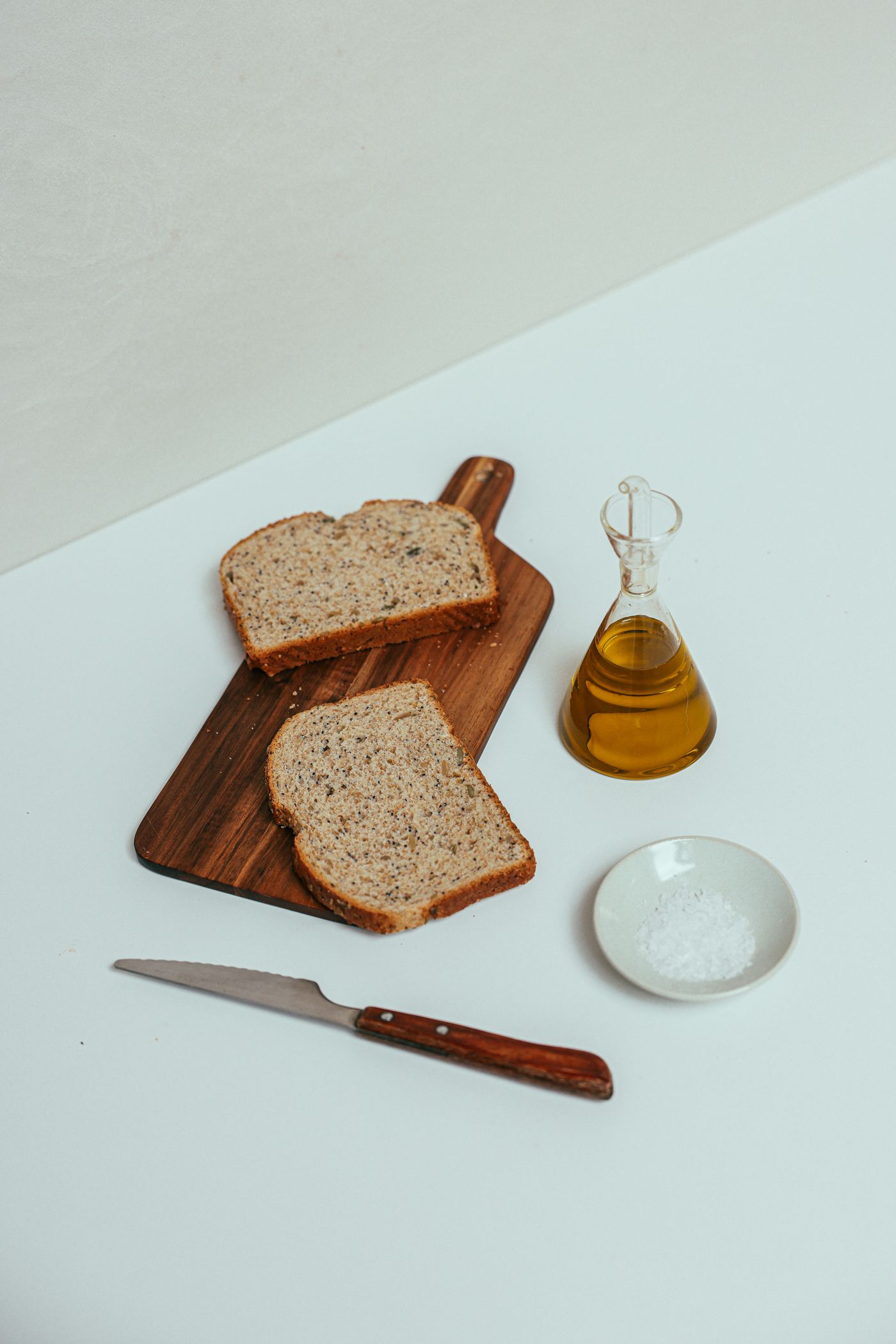
The renewable default, and the right answer for cutting boards. It is inert, colorless, odorless, tasteless, meets FDA food-contact requirements, and it never goes rancid because it is mineral, not organic. It never cures either, so it slowly wears and washes out and needs reapplying, which on a board you use daily means every month or two. That is not a defect. A cutting board takes knife damage; you want a finish you can refresh in two minutes, not one you have to strip and redo. One caution: use food-grade or USP mineral oil, not the mineral oil sold as a machine lubricant in the hardware aisle.
Inert, colorless, odorless, and it never goes rancid because it's mineral, not organic. The trade-off is that it never cures, so plan on reapplying every month or two on a working board.
Mineral oil and beeswax board butter
Mineral oil plus melted beeswax, sometimes carnauba, in roughly a four-to-one ratio. The oil penetrates and conditions, the wax sits on the surface and adds a thin water-resistant, renewable barrier with a soft sheen. It is the standard cutting-board and butcher-block treatment for good reason, and you can buy it premade or melt your own. Same renewability story as straight mineral oil, slightly more protection.
Pure tung oil
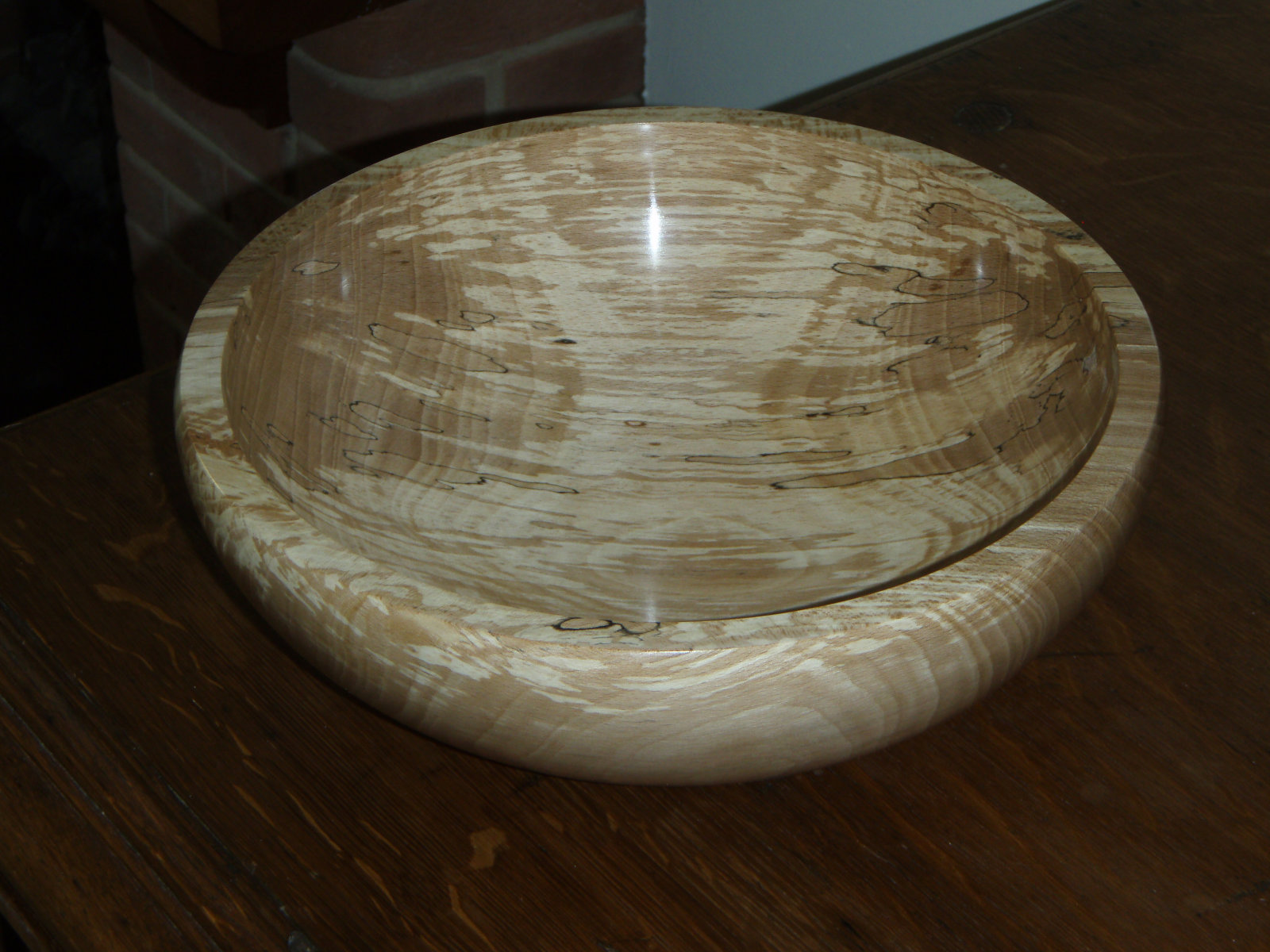
A true drying oil from the seed of the tung tree. Pure tung oil cures to a genuinely water-resistant, food-safe finish, builds a warmer protective layer than mineral oil, and is a favorite for bowls and utensils. Two cautions. First, cure is slow: thin coats, several of them, over a couple of weeks. Second, and this is the one that trips people up, most products labeled “tung oil finish” on the shelf, Minwax included, contain little or no actual tung oil; they are wiping varnishes with driers and solvents, and they are not labeled food-safe. If you want tung oil, the bottle has to say pure or 100% tung oil. The nut-allergy worry is misplaced here: tung is a fruit seed, botanically unrelated to tree nuts, and does not trigger nut allergies.
Raw versus boiled linseed oil
Raw linseed oil is pressed flax oil, edible in its own right, food-safe, and it cures, but it cures painfully slowly, days to weeks per coat. Boiled linseed oil (BLO) is the trap. Despite the name it is rarely boiled; manufacturers add metallic driers to speed curing, and the typical hardware-store BLO can contains cobalt or manganese driers and is not sold as food-safe. This is exactly the drier debate from earlier, made concrete. The clean alternative is a polymerized linseed product with no added driers. Tried & True is the reference example: they polymerize the oil with heat instead of dosing it with metal driers, cite food-contact safety under 21 CFR 175.300, and their Original blend pairs the linseed with beeswax. If you want a linseed finish on food-contact wood, that is the kind to buy, not a can of BLO.
Walnut oil
A drying oil that cures, popular with bowl turners for the warm color it brings out. It raises the only real allergy question on this list, and the answer is reassuring but worth stating precisely. Walnut is a genuine tree nut, but per Food Allergy Canada’s allergist, the allergen is the nut protein, not the oil, and highly refined oils carry little to no protein. Woodturning walnut oils like Mahoney’s are heat-treated and filtered specifically to remove that protein; Mike Mahoney describes his as heated and filtered to disable the allergy-causing protein, “probably about 99 percent” effective. Grocery-store walnut oil has not had that treatment and is a worse bet. For a highly sensitive household, the simplest move is to skip walnut oil and use mineral oil. For everyone else, refined or heat-treated walnut oil is a reasonable, food-safe bowl finish.
Shellac
Here is the finish people are most surprised to learn is food-safe: shellac, the resin secreted by the lac insect, is literally food. As confectioner’s glaze, additive E904, it is FDA GRAS and coats candy, the shine on apples and citrus, chocolate, and the outer shell of countless pharmaceutical tablets. Dewaxed shellac is a genuinely food-safe film finish. The catch is durability, not safety: shellac is brittle and water-sensitive, so it is wrong for a cutting board or anything that sits in water, but lovely on a decorative turned piece or a non-contact part of a bowl. Use pure, dewaxed shellac for food work.
Film finishes on non-contact turnings
Polyurethane, lacquer, and wiping varnishes are food-safe once fully cured, per the consensus up top, but they are the wrong choice for a cutting surface. The reason is mechanical, not chemical: a knife chips a hard film, and those chips end up in your food. Flexner’s own recommendation is to keep film finishes off cutting boards for exactly this reason and reserve them for surfaces that do not get cut. On a decorative bowl, a turned box, or the outside of a vessel that holds dry goods, a cured film finish is fine and durable.
The decision table
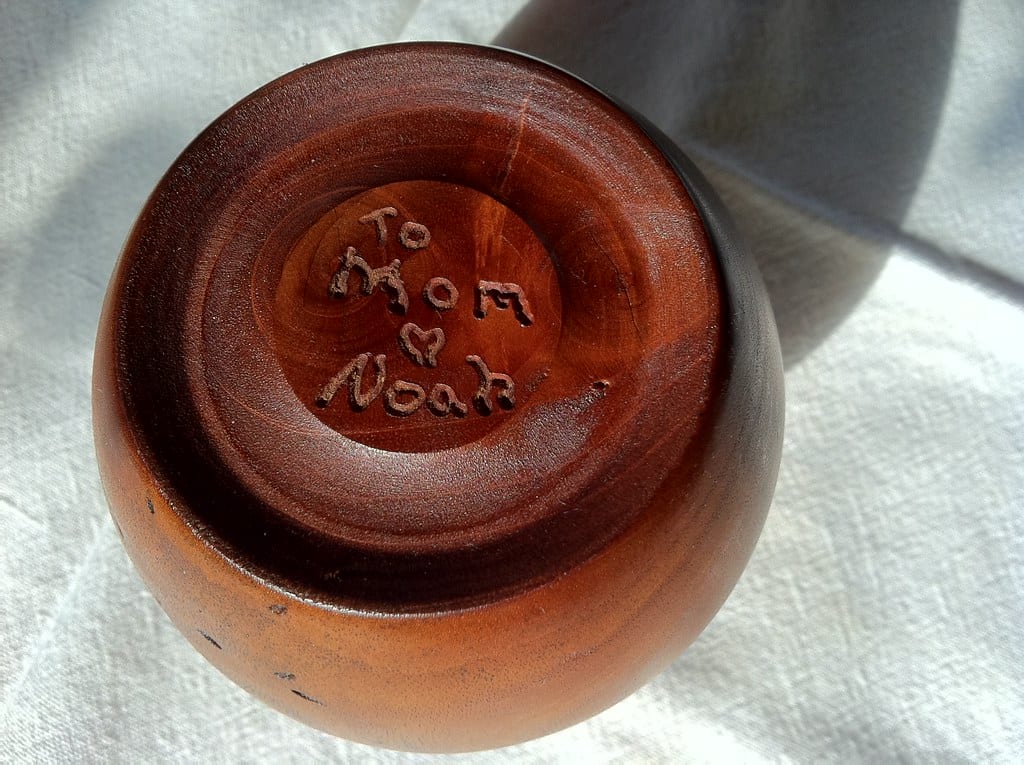
Here is the whole decision in one grid, built from the maker data above, so you can match a finish to a job without rereading the families. “Cures?” matters because only cured finishes are food safe; “renewability” matters because the easy-to-refresh finishes are the ones that survive real kitchen use.
| Finish | Cures? | Water resistance | Renewability | Cure time | Best use |
|---|---|---|---|---|---|
| Food-grade mineral oil | No | Low (sheds water, washes out) | Excellent (wipe on) | Instant | Cutting boards, utensils |
| Mineral oil + beeswax butter | No (wax sits on surface) | Low-medium | Excellent | Instant | Cutting boards, butcher block |
| Pure tung oil | Yes | High | Moderate (recoat) | Days to weeks | Salad bowls, utensils |
| Polymerized linseed (Tried & True) | Yes | Medium | Good | ~24 hr to handle | Bowls, utensils, spoons |
| Raw linseed oil | Yes, slowly | Medium | Good | Days to weeks | Low-use bowls |
| Boiled linseed oil (BLO) | Yes | Medium | Good | Hours-days | Not for food contact (driers) |
| Walnut oil (heat-treated) | Yes | Medium | Moderate | Days | Bowls, decorative pieces |
| Urethane oil (Salad Bowl Finish) | Yes | High | Low (strip to redo) | ~30 days | Bowls, decorative, light food contact |
| Dewaxed shellac | Yes | Low (water-sensitive) | Low | Hours | Decorative turnings, non-contact |
| Polyurethane / lacquer | Yes | High | Low | Days-weeks | Non-contact turnings only |
One case the table cannot capture in a row: baby toys, teethers, and anything a child will mouth. Use food-grade mineral oil or pure tung oil there, the two simplest no-drier options, and skip the debate entirely.
Application quick-reference for the three defaults
You do not need ten finishes. You need three: mineral oil for boards, a curing oil for bowls, and a durable film for decorative work. Here is how to apply each, with coats and timelines from the makers’ own data.
Food-grade mineral oil (cutting boards, utensils). Flood the surface generously, let it soak 20-30 minutes, wipe off the excess, repeat until the wood stops drinking it in (usually 2-3 applications on bare wood). In service, reapply whenever the surface looks dry, typically every 3-4 weeks of daily use. No cure wait; use it as soon as you wipe off the excess.
Pure tung oil or polymerized linseed (salad bowls, spoons). Wipe on a thin coat, let it penetrate 20-40 minutes, wipe off everything that has not absorbed. Thin coats are the rule; oversaturation is the number-one cause of a sticky, never-curing surface. Allow each coat to cure before the next: roughly a day for polymerized linseed, longer for pure tung. Three to four coats builds a durable, water-resistant finish. Wait the full cure (days for linseed, up to a couple of weeks for tung) before food contact.
Urethane oil / Salad Bowl Finish (bowls, decorative, light-duty food contact). Wipe on with a soft cloth, recoat every 6-12 hours, build 3-4 coats. It dries to handle quickly but cures slowly: give it the full ~30 days before heavy food use, per General Finishes’ own data. The payoff is the hardest, most water- and stain-resistant finish of the three.
The durable pick for bowls and decorative work: cures hard in about 30 days for the hardest, most water- and stain-resistant finish of the food-safe options.
What owners actually report in use
The forums (AAW, LumberJocks, Sawmill Creek, WoodBarter) are where the field reports live. Across hundreds of finishing threads:
- “My board dried out” is a maintenance gap, not a finish failure. Wood cycles wet and dry; a board left un-oiled cracks and splits. Owners who reapply mineral oil on a schedule do not report cracking. The fix is a habit, not a different product.
- The rancidity fear is half right. Mineral oil never goes rancid because it is inert and does not evaporate. Cooking oils (olive, vegetable, coconut) do go rancid inside a board, turning sticky and sour, which is why every experienced board maker tells you to keep them off your cutting boards. The lesson owners pass around: kitchen-pantry oil is not a wood finish.
- Walnut-oil patina is real and liked. Bowl turners who use heat-treated walnut oil report a warm, deepening color over time and no rancidity from the heat-treated product. The grocery-store stuff is where the rancidity complaints come from, which lines up with the protein-and-processing distinction from the families section.
Where this goes next
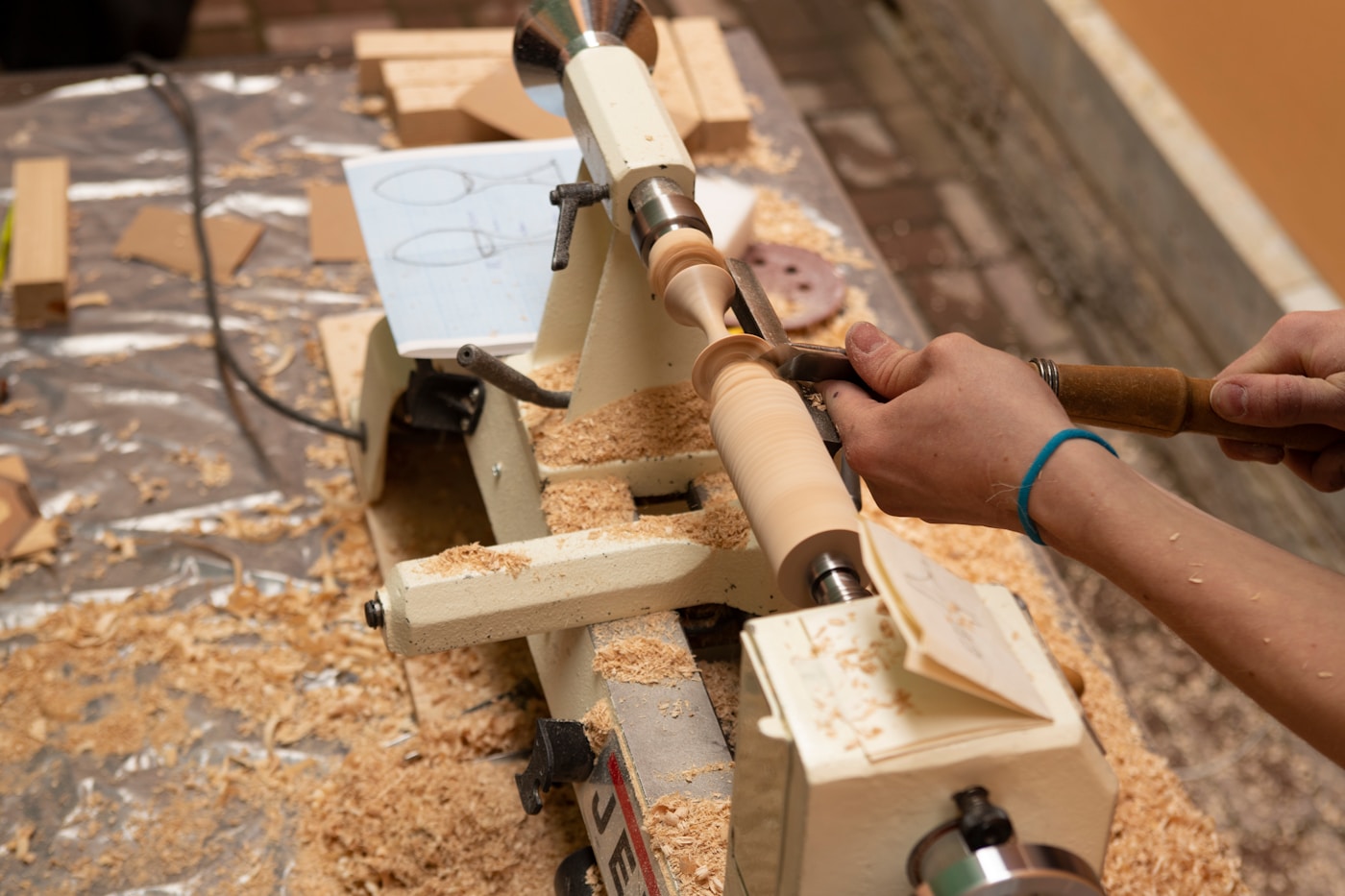
A food-safe finish is the last step of a bowl that started on a lathe, so this hub feeds back into the gear. The bowls people finish here came off a Jet JWL-1221VS or a machine like it; the first turning tools guide covers what shapes the wood; and if you are turning to sell, lathe projects that sell covers what the market actually buys. Boards have their own considerations, since a cutting surface takes knife damage and repeated washing that a bowl never sees, and stabilized, dyed, and resin-infused blanks change the finishing math, which the wood stabilizing guide covers.
Three bottles cover almost everything: mineral oil for boards, pure tung or polymerized linseed for bowls, a urethane oil for decorative work. Skip the boiled linseed, read “pure” on the tung-oil label, wait for the cure, and the food-safe question stops being scary.